

Trinity Grace Payawal
UGC vs. Influencer Content: Which Drives Retail Sales?

If you’re running a retail brand and wondering whether to double down on UGC or influencer marketing, you’re not alone. Brands ask this all the time, and honestly, it’s a fair question. Influencers have been the go-to for years… but now UGC is seriously giving them a run for their money.
We’re not just talking likes or views here. User-generated content is driving sales, and in a lot of cases, it’s doing better than influencer content. Some studies show UGC can be up to 8× more effective at convincing people to buy. Yeah, eight times.
So if you’re trying to figure out where to put your content budget, here’s a breakdown to help you make the right call for your brand.
First up — What’s the difference?
Quick Rundown:
- Influencer content is what you get when you pay someone (usually with a decent following) to post about your product. It’s polished, branded, and usually has a caption with some emojis and a discount code.
- UGC is made by everyday customers or creators that feels like it’s from a real person. It's usually raw, casual, and focused on how the product fits into their life. Less curated, more “hey, check this out.”
So, when we talk about UGC vs influencer, we’re really comparing high-gloss vs low-gloss — studio vs selfie. And the selfie content? That’s what’s been converting.
Why UGC hits different for retail
Consumers are just over the whole overly polished vibe. They can spot a paid partnership before they even see the tag, and most of the time, they scroll right past. But when they see someone who looks like them using a product in real life, it’s a different story.
Let’s say you’re selling a weighted blanket in-store and online. Most customers aren’t thinking, “Is this cool on TikTok?” They’re thinking:
- Will this actually help me sleep?
- What does it look like on a real bed?
- Is it going to be too hot?
- How big is the king size compared to the twin?
UGC answers that in 15 seconds flat. No filters, no buzzwords — just someone showing the actual experience. And when customers feel like their concerns are already addressed before they click “buy,” conversion rates go up. You’ll see this on PDPs, in retargeting ads, and in email flows.
Here’s the wild part: when shoppers see real people using your stuff, they’re way more likely to buy. Some data shows UGC drives up to 8 times more purchases than influencer content. That’s not a small difference. That’s huge.
UGC also performs better in ads and on site
If you're running Meta or TikTok ads, you've probably seen this already. UGC-style content usually pulls in lower cost-per-click, better watch time, and stronger ROAS.
Same goes for your website. Plug UGC into your product pages — especially video — and people tend to stick around longer. They trust the page more, and they’re more confident in what they’re buying. That means fewer returns, which is a win for everyone.
So should you ditch influencers?
Not exactly. This isn’t an either/or situation. Influencers still have reach, and they’re great for top-of-funnel stuff — getting eyes on your brand, launching a product, that kind of thing.
But when it comes to building trust and pushing someone to click buy now, UGC is the move. Retail brands that figure out how to blend influencer content and UGC are the ones seeing the best results.
Here’s how most smart brands do it:
- Let influencers create UGC-style content (raw, real, demo-focused)
- Activate your real customers or smaller creators to make UGC
- Reuse all of it across channels: ads, email, website, SMS, in-store
It’s not about the size of the following. It’s about the style and the trust it builds.
OK, but how do you actually get good UGC?
This is where most brands get stuck. It's easy to say “let's use UGC,” but sourcing it, organizing it, and making it actually look good (without being too polished) is a whole thing.
Here’s what you need to do:
- Work with creators who know how to sell, not just look pretty.
Don’t just pick creators based on their follower count. Look at their content style. Can they shoot iPhone videos that feel natural? Can they explain your product without sounding like a commercial? - Give a good brief.
UGC doesn’t mean totally hands-off. Give creators a clear direction on what to show, what pain points to hit, and what not to do. A good brief makes all the difference. - Use the content everywhere.
Don’t just post it once on Instagram and forget it. Cut it up, test it in ads, drop it into your emails, throw it on product pages. Get the most out of every asset. - Make it repeatable.
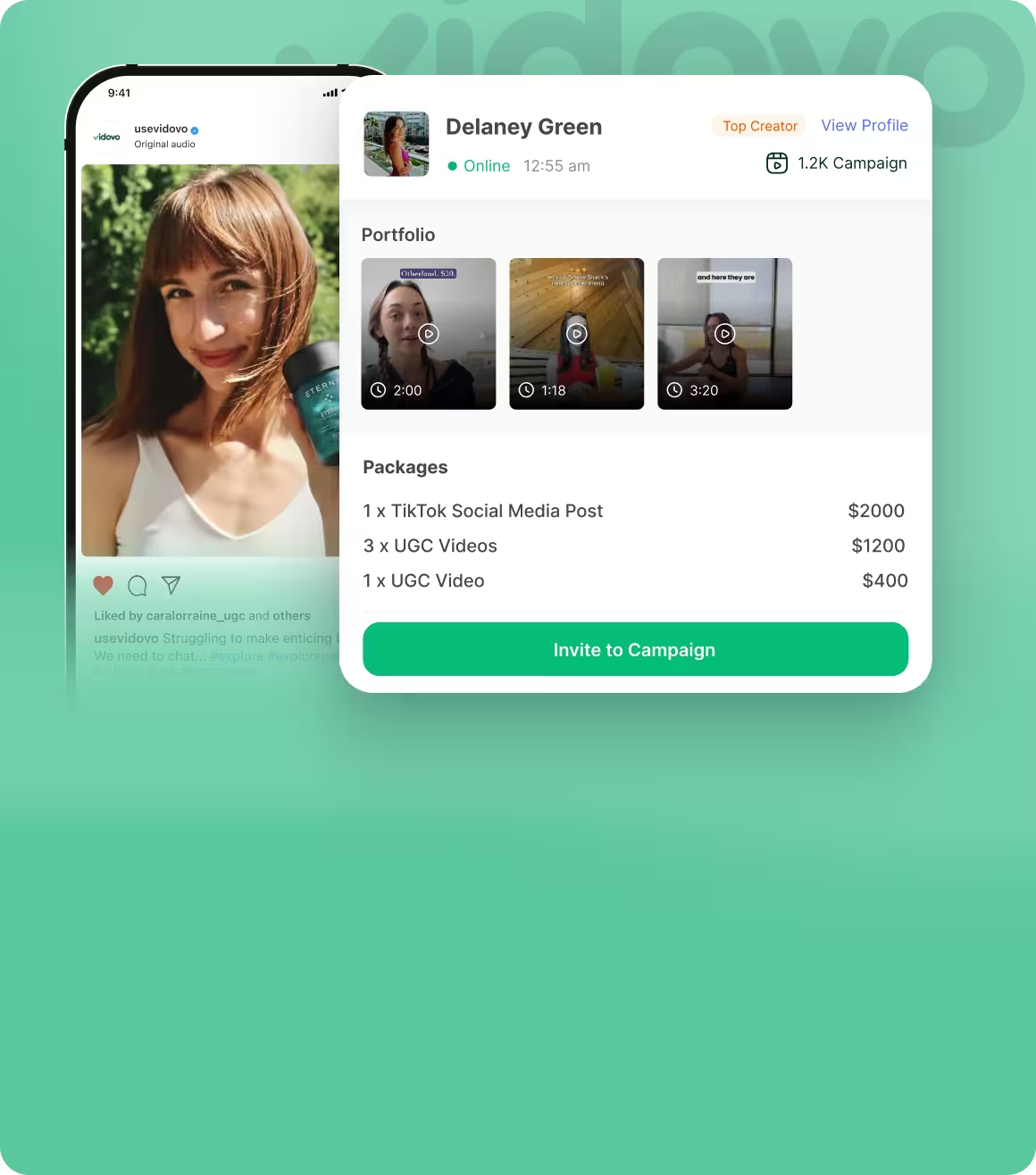
Set up a system so you’re not scrambling every time you need fresh content. This is exactly what we help brands do at Vidovo — from creator sourcing to strategy to final delivery.
Bottom line
The influencer era isn’t over. But UGC is what’s getting people to actually pull out their wallets. It feels more honest, more relatable, and more trustworthy. And in retail, trust is everything.
If you’re still asking “influencer or UGC,” you’re asking the wrong question. The better one is: how can we build a system to get real, trustworthy content at scale?
If that’s where your head’s at, we’re here to help.
Want to scale your retail brand with content that actually converts?
Hit us up. Vidovo helps brands turn creators and customers into content machines. No fluff. Just content that sells.
