


A good UGC script should not make the creator sound like they are reading an ad.
Many brands hire creators because they want natural content, then send a stiff script that removes the creator’s voice. The video may include the right product points, but it does not feel like something people would stop and watch.
A better approach is to give creators a filming structure instead of word-for-word lines. Brands can outline the moment to capture, the benefit to show, the problem to explain, and what the viewer should understand by the end.
As Hootsuite explains, UGC creators often make content brands can use on their own channels. That means the video needs to feel organic, but still work for ads, landing pages, TikTok, Instagram Reels, and product pages.
What Makes A Strong UGC Script?
A strong UGC script gives direction without controlling every word. The creator should understand the hook, main product moment, proof point, and ending, while still having room to sound natural.
Short-form content also needs to feel native to the platform. TikTok’s creative best practices recommend vertical video, sound, and featuring people. Meta also points brands toward vertical creative for Reels ads.
The goal is to make a video that feels like a real person showing why the product matters, not a polished commercial.

UGC Script Example 1: Problem To Solution
This format starts with something the viewer already understands. A brand might have the creator film the problem first, such as dry skin, a crowded gym bag, a confusing app, or a product they used before finding your brand.
From there, the creator can show how the product fits into the situation. The video can move from problem, to product, to benefit, to result. This works well for beauty, wellness, home, fitness, food, apps, and daily-use products.
UGC Script Example 2: First Impression
A first impression script can work well when the product has strong packaging, a unique texture, an interesting feature, or a result people want to see quickly.
For this format, the creator can film themselves opening, testing, or using the product for the first time. The brand can share a few product points to notice, while still leaving room for an honest reaction.
The creator might show the product arriving, capture the first look, test the main feature, share their reaction, and explain who the product is best for. Sprout Social notes that UGC can include reviews, photos, videos, comments, and testimonials in its UGC guide.
UGC Script Example 3: Routine Integration
Some products are easier to understand when people see where they fit into daily life.
For this script, brands can have the creator show where the product naturally appears in their day. The video can start with the routine, introduce the product, show it being used, explain the benefit, and end with the finished moment.
This works well for supplements, coffee, skincare, meal prep, pet products, cleaning products, productivity apps, and fashion.
UGC Script Example 4: Myth Or Mistake
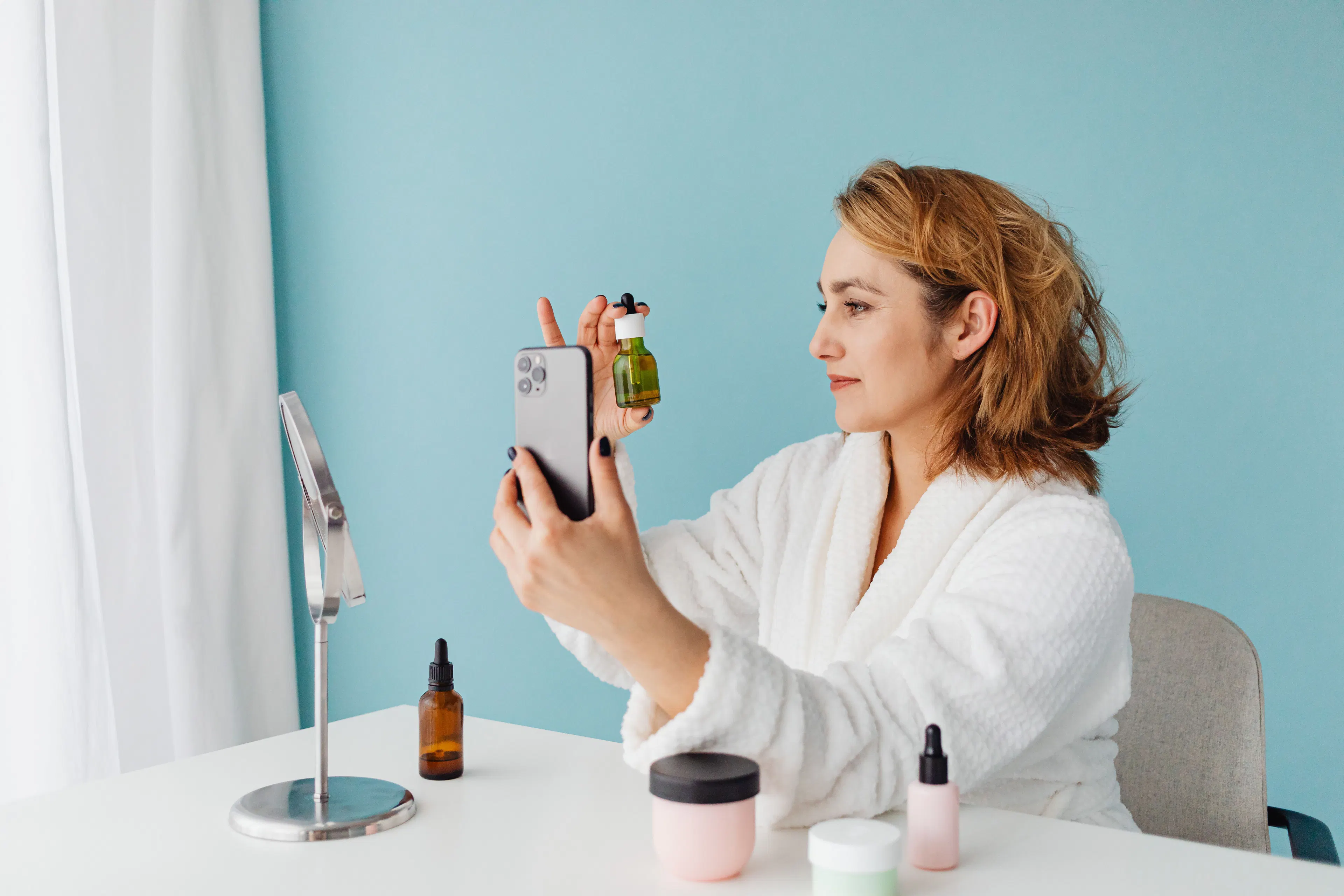
A myth or mistake script can be useful when customers misunderstand the product, use the wrong alternative, or don’t realize there is a better option.
The creator can open with a common mistake or assumption, then show how the product changes that situation. From there, they can explain why the mistake creates a problem and make the benefit easy to remember.
This works well for products that need education before someone buys, such as supplements, beauty products, fitness tools, kitchen products, and software. The mistake should feel specific, like skipping one step, buying the wrong size, or solving the wrong problem.
UGC Script Example 5: Review Style
Review-style UGC is flexible because it can work for organic content and paid ads.
For this format, the creator can explain what they liked, what surprised them, and who they think the product is for. The video can introduce the product, show it in use, share the strongest benefit, and end with who should consider it.
For paid ads, brands can create review variations around convenience, quality, or the problem the product solved. This gives the brand more creativity to test without making every video feel the same.
What Brands Can Include In A UGC Script Brief
A UGC script brief works best when it is short and clear.
Helpful details can include the video goal, target audience, main product benefit, required shots, claims to avoid, final call to action, and platform notes. Brands may also want to mention vertical filming, caption space, and keeping important text away from platform buttons.
A full script is usually not needed unless there are legal or compliance reasons. Even then, it can help to separate required claims from suggested language so creators know where they have room to sound natural.
How Vidovo Helps Brands Get Better UGC
Finding the right creator is just as important as writing the right script. A strong brief will not fix a creator who is not a fit for the product, audience, or platform.
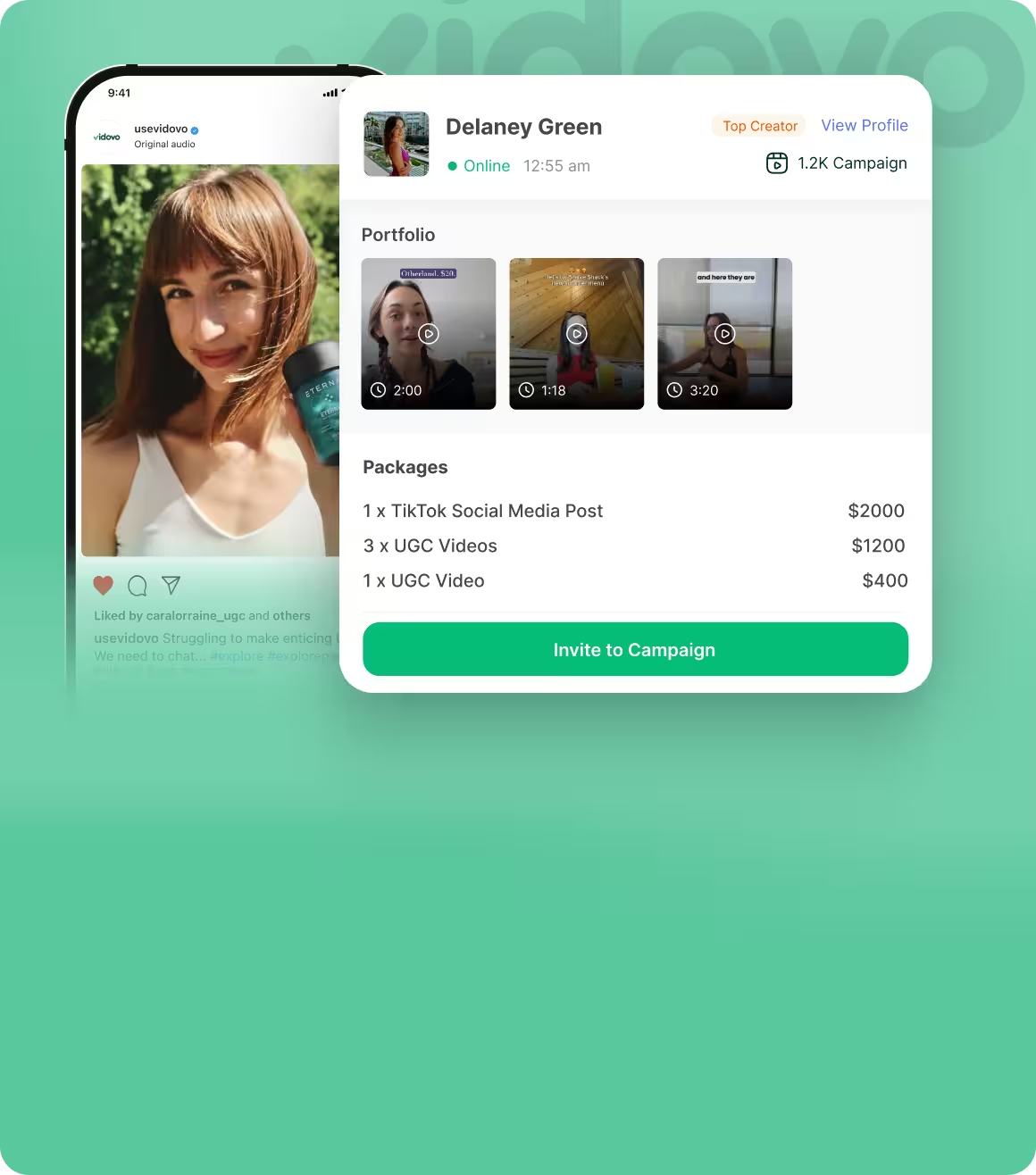
With Vidovo, brands can find vetted creators, manage UGC projects, and scale content production without building a huge manual outreach process. Brands can also find UGC creators by niche, platform, and style.
Final Thoughts
The best UGC script examples give creators a filming direction, not a word-for-word performance. Brands can start with formats like problem to solution, first impression, routine integration, myth or mistake, and review style.
From there, brands can test which creator, hook, and product angle performs best. When UGC scripts are treated as flexible filming guides instead of strict ad copy, the content is more likely to feel natural and easier to test across platforms.
