


Every company serves a different type of brand, from performance marketers that need ongoing ad creative to internal teams that want more control over creator sourcing and campaign management.
There is no single UGC agency that fits every campaign. Some providers focus on fully managed paid social creative, while others offer creator marketplaces, product-seeding campaigns, or wider digital marketing support. The companies below are organized by the strongest use case.
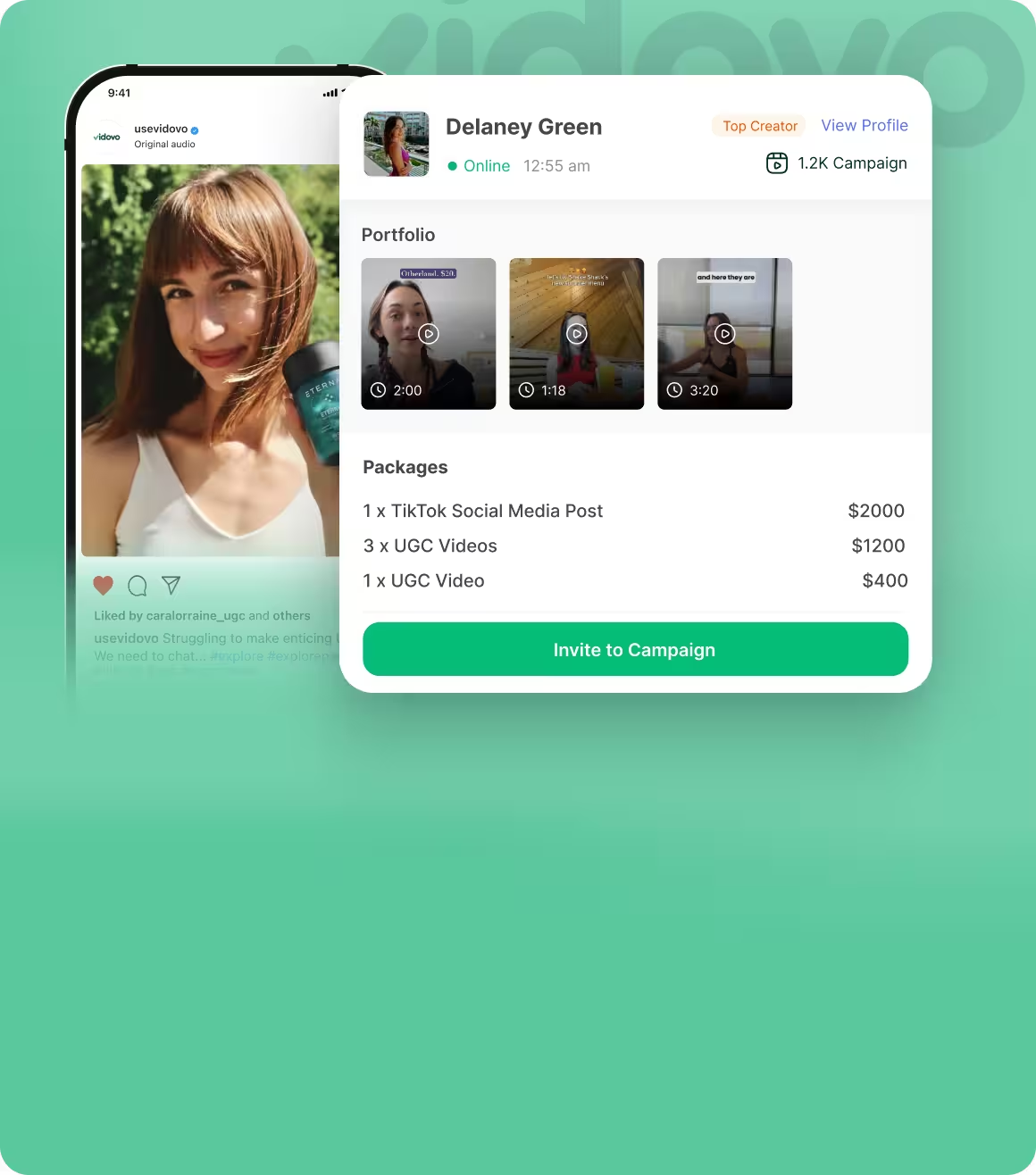
Vidovo: Best for Self-Service and Managed UGC
Vidovo gives brands the option to manage creator campaigns themselves or use a fully managed service.
Through Vidovo’s self-service platform, brands can find creators, launch campaigns, communicate directly, review submissions, manage payments, and keep creator content organized in one place. This gives marketing teams more control over who they work with and how each campaign is run.
Brands that do not have the time or internal resources to manage production can use Vidovo’s managed UGC service. The managed option covers creator sourcing, strategy, briefing, production management, quality control, and final content delivery.
This combination makes Vidovo useful for growing brands. A company can manage smaller campaigns internally and add support when it needs more creators, faster production, or a larger content pipeline.
Vidovo is best for brands that want the control of a creator platform without losing access to hands-on campaign support.

inBeat: Best for Performance-Focused UGC Campaigns
inBeat is a creative growth agency that combines UGC production with creator sourcing, creative strategy, paid social support, and performance testing.
The agency develops creator-led advertisements around different hooks, messaging angles, formats, and product benefits. Instead of treating each video as a standalone asset, inBeat builds creative batches that brands can test across Meta, TikTok, YouTube, and other paid channels.
Its team also connects campaign performance to future production. Results from different creators, hooks, and concepts can help determine what should be repeated, adjusted, or removed from the next creative batch. This makes inBeat a strong choice for brands that need a steady flow of ads rather than a few one-time creator videos.
inBeat is best suited to brands that want most of the UGC process handled for them, including creator sourcing, scripting, production, revisions, delivery, and creative testing.
Brighter Click: Best for Paid Social Creative
Brighter Click is a performance marketing agency that produces creator content for Meta and TikTok advertising.
Its UGC service covers strategy, creator matching, briefing, production, review, licensing, and final delivery. Creators are selected based on factors such as industry experience, content style, audience fit, and previous performance.
Brighter Click focuses on producing launch-ready advertisements rather than general lifestyle content. This makes it a good fit for brands that regularly test new hooks, offers, product demonstrations, testimonials, and creator styles in paid campaigns.
Its approach may be more support than a brand needs if the company only wants a few organic videos. Performance marketing teams that require new advertising concepts on a recurring basis are more likely to benefit from its model.
Brighter Click is best for brands that want UGC production tied closely to paid social testing and media performance.
minisocial: Best for Product Seeding and Micro-Influencers
minisocial runs fully managed campaigns with micro-influencers and UGC creators. Its campaigns help brands generate licensed content while also giving selected creators the opportunity to share products with their own audiences.
The model works well for consumer products that creators can naturally demonstrate in their homes, routines, or everyday lives. Beauty, food, wellness, apparel, parenting, and pet brands can use this approach to collect lifestyle photos and videos without relying on traditional studio production.
minisocial handles creator selection and campaign management, helping brands produce a larger collection of assets through one campaign. Its projects can also support creator whitelisting and partnership ads, giving brands another way to use creator content in paid media.
Product seeding still needs clear expectations. Brands should define whether they want organic posts, reusable content, paid ad rights, product feedback, or a combination of these outcomes before selecting creators. Vidovo’s guide to product seeding explains how gifting can also support longer-term creator relationships.
minisocial is best for consumer brands that want fully managed product seeding and a larger collection of lifestyle content.
Moburst: Best for Mobile Apps and Larger Growth Campaigns
Moburst offers UGC production as part of a wider digital marketing and mobile growth service.
Its capabilities extend beyond creator sourcing and video production. Brands can also use Moburst for app marketing, influencer campaigns, media buying, creative strategy, analytics, and conversion support.
This makes Moburst a strong option for mobile apps, gaming companies, technology brands, and established businesses that need UGC to support a larger acquisition strategy. A campaign could include creator testimonials, app demonstrations, product explanations, paid social ads, and variations made for different platforms or audience segments.
Smaller brands that only need creator videos may not require its wider service offering. Companies running multi-channel campaigns may benefit from having UGC, media, and mobile growth managed by one agency.
Moburst is best for mobile-first companies and larger brands that want UGC connected to broader growth marketing.

What Should Brands Look for in a UGC Agency?
The right UGC agency should match how the brand plans to use the content.
Brands running paid campaigns may need several hooks, raw footage, edited variations, extended usage rights, creator whitelisting, and a reliable production schedule. A company focused on organic social content may care more about natural creator fit, visual consistency, and platform-native storytelling.
The level of internal support also matters. A fully managed agency is useful when a brand wants to outsource sourcing, communication, production, and revisions. A self-service platform makes more sense when the internal team wants direct control over creators, budgets, and approvals. Hybrid providers allow brands to use either approach depending on the campaign.
Before choosing a provider, brands should confirm the turnaround time, revision process, ownership terms, creator-vetting process, final deliverables, and available content formats. These details often matter more than the starting campaign price.
Brands planning to use their content in paid media can also review Vidovo’s guide to testing UGC ads without wasting budget. A structured testing process makes it easier to compare creators, hooks, formats, and messaging without changing too many variables at once.
