

Ryan Cooper
UGC For Food And Beverage Brands: What Creators Should Capture On Camera

Food and beverage brands have a natural advantage when it comes to user-generated content (UGC). Their products fit into everyday routines, whether someone is preparing breakfast, trying a new snack, or enjoying a drink after work.
However, creating effective content requires more than simply showing the product on camera.
The best food and beverage UGC helps customers imagine how a product tastes, how they would use it, and where it fits into their daily lives.
From genuine taste reactions to creative recipes, here are the moments creators should capture to help brands build trust and encourage purchases.
Capture Genuine Taste Reactions
One of the most effective ways to introduce a food or beverage product is through an authentic first impression.
Consumers want to know what a product tastes like before purchasing it, especially when considering unfamiliar brands or flavors.
Creators can film themselves opening a product, taking their first bite or sip, and sharing their immediate thoughts.
These reactions should feel natural rather than scripted. Describing the sweetness of a drink, the crunch of a snack, or the richness of a sauce helps viewers understand what to expect.
Taste-test videos work particularly well on TikTok and Instagram Reels because they combine product demonstrations with personal experiences.
Show The Preparation Process
Preparation videos demonstrate how food and beverage products work in everyday situations.
Whether someone is brewing coffee, mixing a protein shake, or heating a frozen meal, showing the process makes the product easier to understand.
Creators should capture the main steps, from opening the packaging to showing the finished result.
For example, a coffee brand could feature someone grinding beans, pouring coffee, and enjoying the drink during their morning routine.
These videos introduce products naturally while helping viewers imagine using them at home.
Brands can repurpose preparation footage into tutorials, advertisements, and product page videos.
Highlight Texture And Close-Up Details
Since consumers cannot taste or smell products through a screen, visual details become especially important.
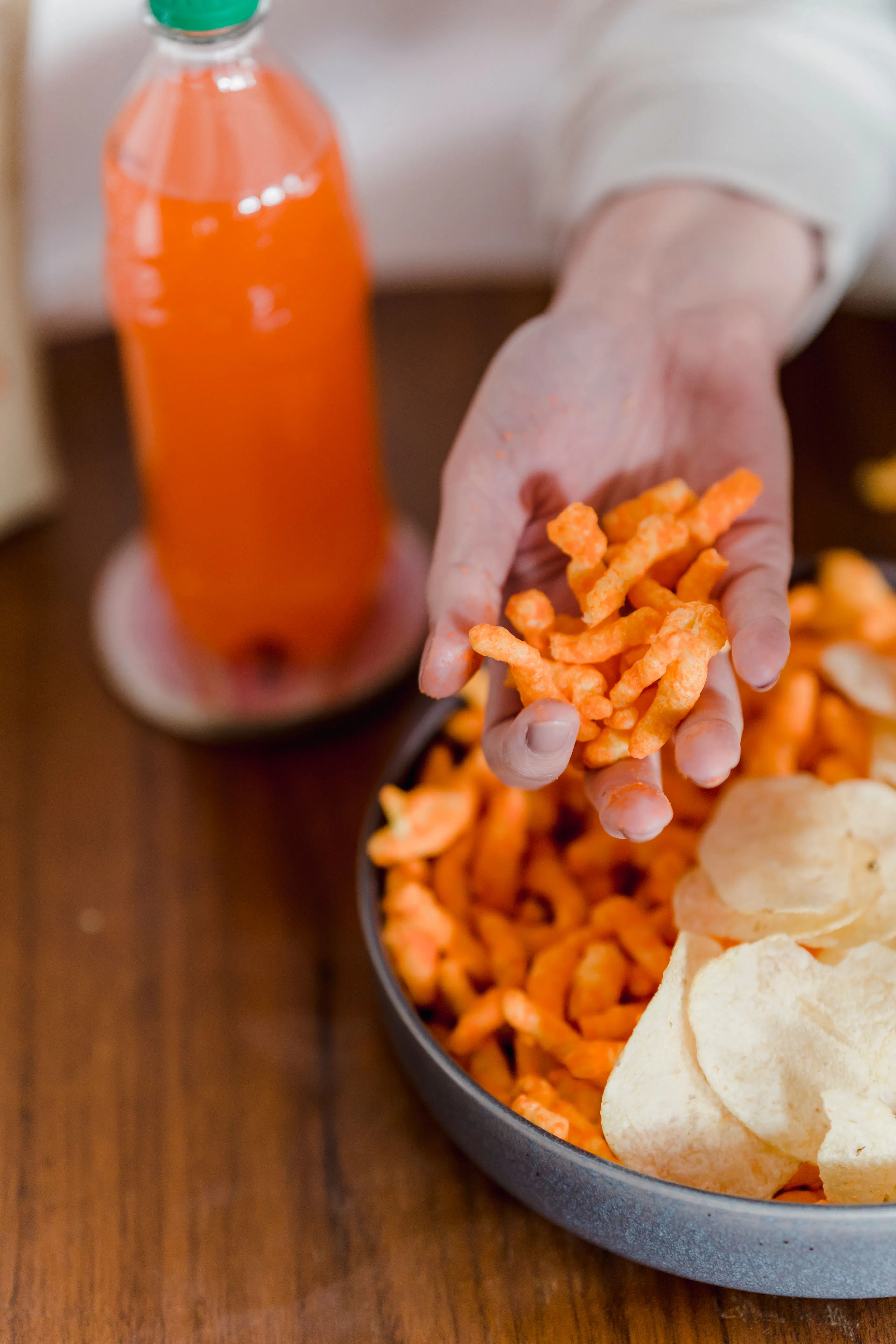
Close-up footage can highlight chocolate melting, sparkling water bubbling, chips breaking apart, or sauce being poured over a meal.
These sensory moments make products more appealing while communicating their consistency and appearance.
Creators should experiment with natural lighting, different camera angles, and clear audio. Even the sound of a crunchy snack or ice dropping into a glass can make a video more engaging.
These clips also make effective openings for advertisements because they capture attention before introducing the brand.

Make Packaging Part Of The Experience
Packaging is often a customer's first physical interaction with a food or beverage product.
UGC creators can highlight packaging through unboxing videos, product organization, and everyday use.
For example, a beverage creator might unpack a variety pack and organize the drinks inside a refrigerator. A snack creator could demonstrate how individual packages fit into a lunch bag.
These moments help customers understand the product's size, convenience, and storage options.
Packaging-focused content is particularly useful for subscription boxes, new launches, and products with distinctive designs.
Create Simple Recipes And Serving Ideas
Recipe videos demonstrate how food and beverage products can be used in different ways.
A sauce brand could show a creator preparing a quick dinner, while a beverage company might demonstrate a simple mocktail. Snack brands could feature products in lunch ideas or party platters.
The goal is to create content viewers can realistically recreate.
These videos provide value beyond traditional advertising by giving consumers new reasons to use the product.
Platforms like Vidovo help food and beverage brands connect with UGC creators who can produce recipe demonstrations, lifestyle videos, and product-focused content.
Recipe videos can also be repurposed across Pinterest, Instagram, email campaigns, and brand websites.
Capture Everyday Product-In-Use Moments
Not every food and beverage video needs an elaborate setup.
Sometimes the most relatable content simply shows a product being enjoyed during an ordinary day.
A creator might film themselves drinking iced coffee while working, packing snacks before a hike, or preparing breakfast before leaving home.
These experiences help consumers picture the product becoming part of their own routines.
Brands should encourage creators to film in familiar settings such as kitchens, offices, parks, and dining tables.
Lifestyle content introduces products without making viewers feel like they are watching a traditional advertisement.
For additional creator content strategies, explore the Vidovo blog.
Capture Multiple Angles For More Versatile Content
Food and beverage brands benefit when creators provide multiple short clips rather than a single finished video.
Someone preparing a smoothie could capture ingredients being added, the blending process, a close-up of the texture, and the finished drink being served.
Each shot offers a different way to showcase the product.
Recording vertical footage makes it easier to adapt content for TikTok, Instagram Reels, and YouTube Shorts.
Brands can use these clips to test different video openings, create advertisements, and develop social posts without additional shoots.
Resources like TikTok Creative Center can help brands explore popular video formats and content ideas.
Keep The Content Authentic
The strongest food and beverage UGC balances visual appeal with genuine experiences.
Creators should avoid exaggerated reactions, unrealistic claims, and overly polished scenes that feel disconnected from everyday life.
Instead, they should describe products naturally and demonstrate how they actually use them.
Brands can provide creative direction while allowing creators to communicate in their own voices.
This helps content feel relatable, especially when taste preferences vary between consumers.
Final Thoughts
Food and beverage UGC works best when it helps consumers experience a product before purchasing it.
Taste reactions, preparation videos, close-up textures, packaging demonstrations, recipes, and everyday moments all communicate different benefits.
By capturing these details, brands can build a versatile content library for social media, advertising, and product pages.
The goal is to show products in ways that feel authentic, appealing, and easy to incorporate into everyday life.
