

Michael Cooper
The Best AI Workflow For Finding, Contacting, And Tracking UGC Creators

Finding UGC creators can get messy fast.
A brand might save creators from TikTok, Instagram, past campaigns, referrals, and inbound messages. Without a clear system, outreach gets scattered, replies get missed, usage rights are hard to track, and performance data rarely makes it back into the next campaign.
That is why brands need a simple AI workflow for finding, contacting, and tracking UGC creators.
As creator partnerships become more tied to ROI, brands need more than a list of names. Hootsuite’s Social Trends Report points to creator relationships becoming more performance-focused, which makes a clean workflow even more important.
Start With The Creator Type You Need
Before using AI to search for creators, brands should define the type of content they need.
A creator for paid social may not be the same creator used for product page videos. A creator for awareness content may not be the best fit for a conversion-focused ad. The campaign goal should shape the creator search from the beginning.
Brands should define the platform, product, target audience, content format, hook style, campaign goal, and usage rights before building a creator list.
This makes AI more useful. A broad search like “fitness creator” can return too many weak matches. A more specific search focused on home workout demos, natural voiceovers, and product education gives AI a much clearer direction.
Use AI To Build A Better Creator Search List
AI can help brands move faster during creator discovery, especially when the search criteria is clear.
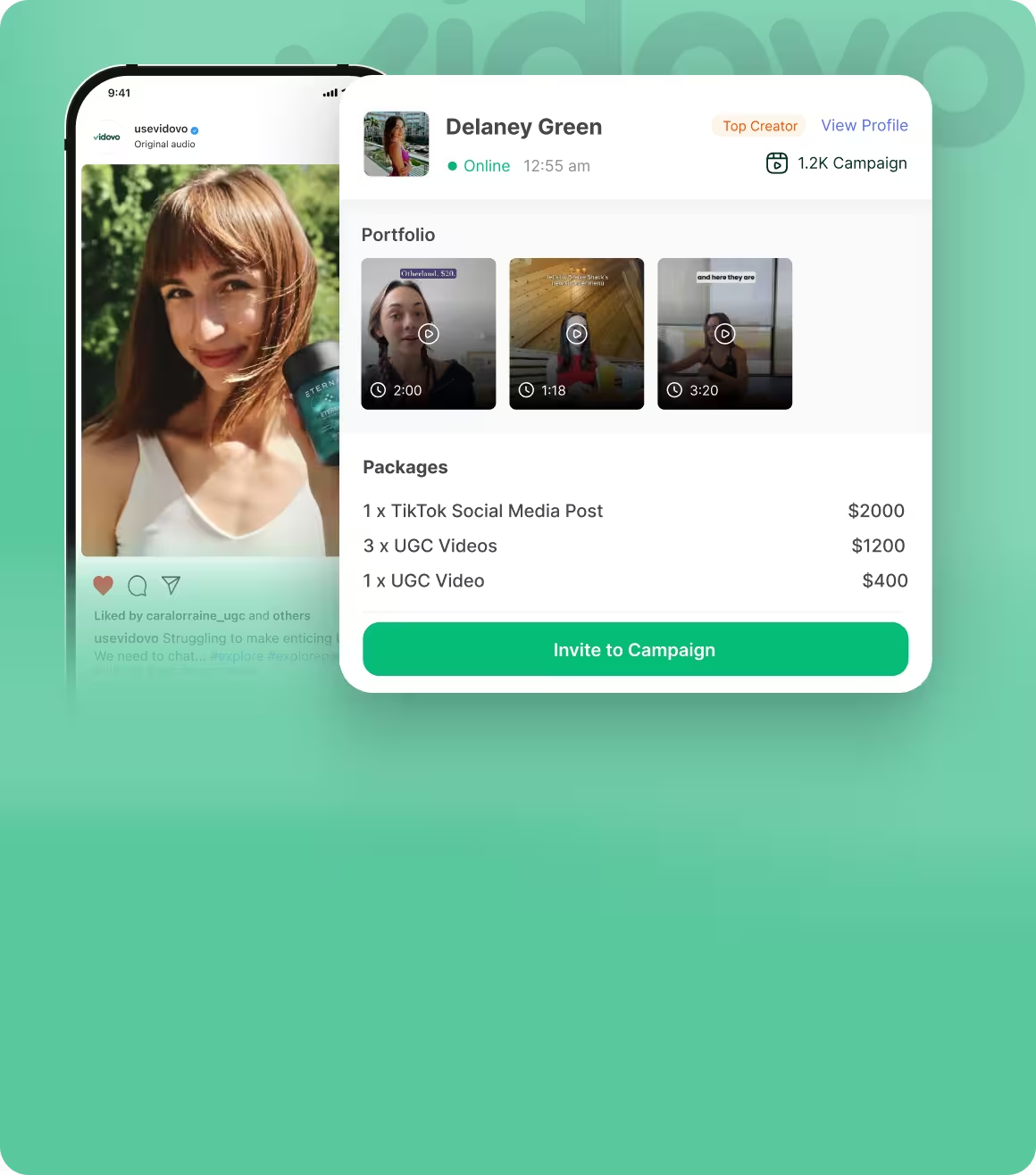
Tools like TikTok One Creator Marketplace help brands search for creators, review insights, and connect with talent for campaigns. Instagram’s creator marketplace also gives brands a way to find creators, create lists, and review creator details before outreach.
A strong UGC creator search should look beyond follower count. Brands should review content style, hook quality, pacing, comment quality, speaking ability, past sponsored content, product demo skills, and fit for paid ads.
AI can help summarize profiles, group creators by style, and organize notes into a tracker. Still, the final decision should come from a person. UGC works best when the creator feels believable, and that is not something numbers can fully measure.
Score Creators Before Outreach
Once a creator list is built, brands should score creators before reaching out.
A simple scorecard can include content fit, brand fit, video quality, product explanation, engagement quality, turnaround expectations, and whether the creator’s style matches the campaign goal.
This helps brands avoid choosing creators based only on one strong video or a high follower count.
For UGC, the best creator is the one who can make the product feel useful and natural. A smaller creator with strong product demos may be more valuable than a larger creator whose content looks polished but does not explain the product well.
Use AI To Organize Outreach
AI makes outreach faster by helping brands sort creators by campaign fit, draft message variations, and keep follow-ups organized. The key is to use AI for structure, rather than generic copy.
Creator outreach should be based on the content style, platform, campaign goal, and expected deliverables. A TikTok-first creator might need a different context than an Amazon video creator. A lifestyle creator may need a different brief than someone focused on product demos.
AI can also help track outreach stages, including who has been contacted, who replied, who requested more details, who shared rates, and who is ready for a contract.
This keeps the process moving without turning creator outreach into a mass-send campaign.
Track Rights, Deliverables, And Approvals
This is where many creator workflows break down.
Before content is created, brands should track the creator’s rate, deliverables, deadline, revision terms, payment status, usage rights, posting requirements, disclosure needs, and ad permissions.
The FTC’s influencer disclosure guidance makes it clear that sponsored relationships need to be disclosed, so disclosure language should be included in the brief and approval process.
If the content will be used in paid ads, permissions matter even more. Meta’s guidance around branded content and partnership ads gives brands a clearer path for managing creator permissions.
A strong tracker should include the creator name, platform link, campaign name, rate, deliverables, due date, usage rights, ad permissions, content status, approval status, payment status, and performance notes.
AI can help summarize email threads, flag missing details, and keep the tracker easier to manage.
Measure Creator Performance After Content Goes Live
The workflow should not end when the creator sends the video.
Brands should track which creators actually drive results. Useful metrics can include hook rate, watch time, click-through rate, conversion rate, saves, comments, cost per result, and overall creative performance.
Creator marketing is becoming a bigger part of brand budgets. IAB’s Creator Economy Ad Spend & Strategy Report projected U.S. creator ad spend to reach $37 billion in 2025, showing how important creator content has become for brands.
AI tools are also moving toward stronger discovery and reporting. Platforms like Sprout Social Influencer Marketing highlight AI-powered creator discovery and data analysis, which shows how creator tracking is becoming more connected to performance.
Over time, brands should build a creator database that shows which creators are best for demos, testimonials, unboxings, awareness videos, paid social ads, and product page content.

The Winning AI Workflow
The best AI workflow for UGC creator marketing is simple:
- Define the creator's need
- Build a smarter creator search list
- Score creators before outreach
- Organize outreach and follow-ups
- Track rates, rights, and approvals
- Measure performance after content goes live
- Save creator learnings for the next campaign
AI should make creator sourcing faster, cleaner, and easier to manage. It should not replace the human judgment that makes UGC work.
The brands that win with UGC will not be the ones contacting the most creators. They will be the ones finding the right creators, tracking every step, and learning from the content that performs.
