


Meta Description: Learn how to build a reliable creator bench so your brand can produce UGC faster, avoid campaign delays, and work with proven creators when new content is needed.
Answer First
A creator bench is a pre-vetted group of creators a brand can contact for ads, product videos, testimonials, and social content. Rather than starting a new search for every campaign, brands can test creators early, track their strengths, and keep the best fits available for future projects.
This gives marketing teams faster turnaround times, more creative options, and less pressure when a launch approaches or an ad begins losing performance.
What Is A Creator Bench?
A creator bench is a flexible roster of people with different filming styles, backgrounds, audiences, and areas of expertise.
Some creators may be strong at direct-response ads, while others are better suited for tutorials, unboxings, testimonials, or lifestyle videos. A balanced bench helps brands avoid relying on one creator or producing content that feels repetitive.
Creators also do not need large followings to be valuable. In UGC marketing, content quality and brand fit often matter more than audience size, especially when the content will appear on paid ads, product pages, or brand-owned social accounts.
Why Build A Creator Bench Early?
Creator searches often become urgent when a product launches, an ad stops performing, or a campaign suddenly needs more content.
The brand still has to find creators, review portfolios, negotiate rates, ship products, approve scripts, and wait for delivery. Building a bench early removes much of that delay.
The marketing team already knows which creators communicate well, meet deadlines, understand the product, and match the brand’s style. Repeat creators may also need less direction because they are familiar with the customer, messaging, and review process.
Identify The Creator Types You Need
A creator bench should reflect the brand’s most common content needs.
That may include:
- Product educators who explain features clearly
- Lifestyle creators who show products in everyday use
- Testimonial creators who feel natural on camera
- Direct-response creators who understand hooks and calls to action
- Niche creators with experience in beauty, fitness, pets, apparel, or food
- Creators who represent different customers and use cases
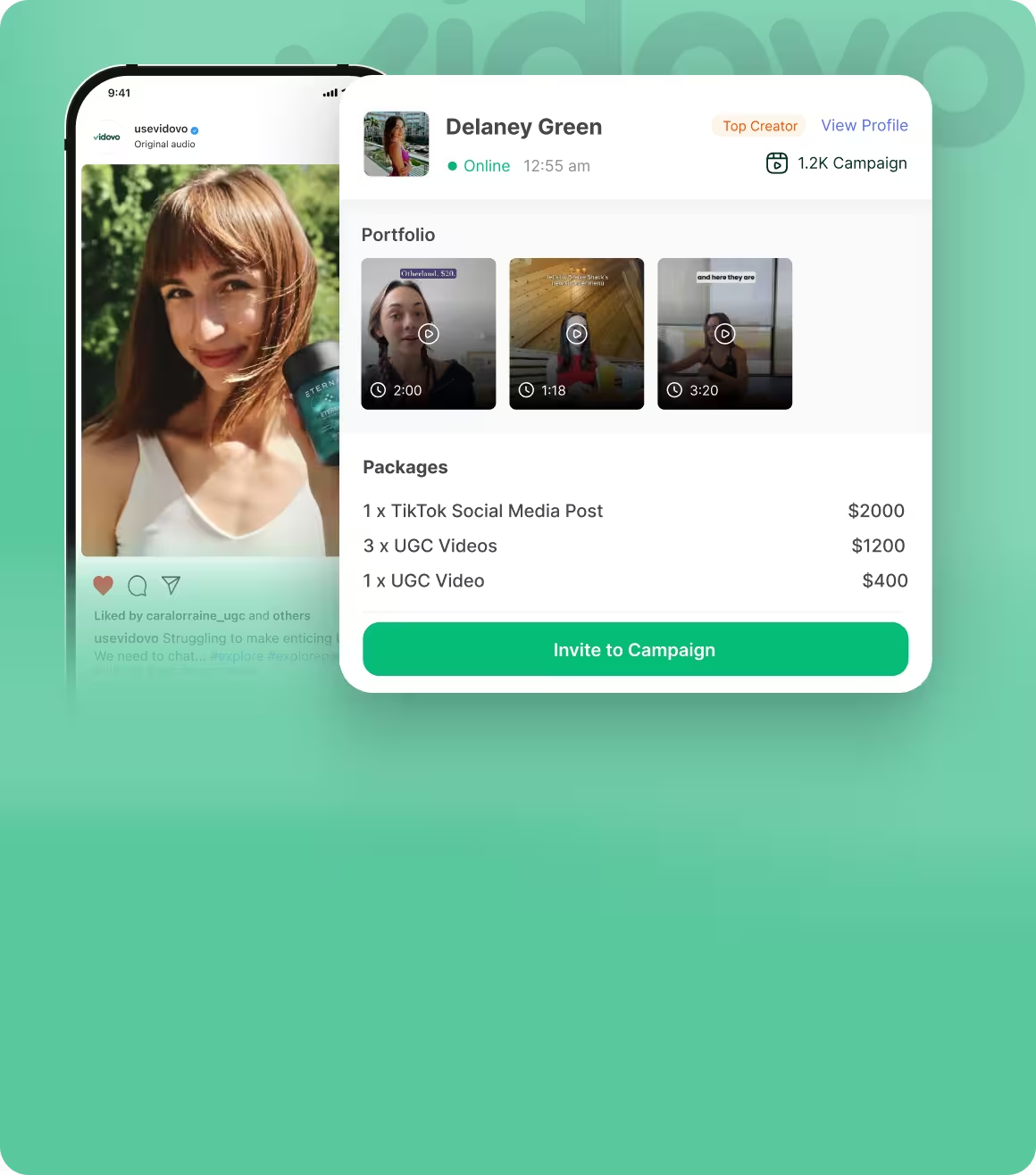
Brands can browse creators across different niches before a campaign becomes urgent. Comparing creators by style, experience, demographics, and category helps create a more useful roster.

Use Small Test Projects
A portfolio may show creative ability, but it does not reveal how a creator handles feedback, instructions, revisions, or deadlines.
Small test projects provide a clearer evaluation. Several creators can receive the same brief, allowing the brand to compare their approaches.
The review may consider:
- Strength of the opening hook
- Comfort and credibility on camera
- Ability to explain the product
- Video and audio quality
- Brand fit
- Communication
- Turnaround time
- Response to revisions
Creators who perform well can join the active bench. Others may remain available for assignments that better match their style.

Track Creator Strengths
A creator bench becomes difficult to use when information is spread across emails, messages, bookmarks, and spreadsheets.
A central tracker can record each creator’s:
- Niche and location
- Rates and contact information
- Previous projects
- Turnaround time
- Usage rights
- Preferred formats
- Strongest content styles
Creators can also be labeled by strengths, such as paid social, product education, organic content, fast turnaround, or technical products.
An organized workflow for finding and tracking UGC creators helps prevent strong candidates from being forgotten after one campaign.

Maintain Creator Relationships
A creator bench should not become a list of people who have not heard from the brand in months.
Occasional communication helps confirm that creators are still available, interested, and producing relevant content. Brands may share upcoming launches, offer repeat assignments, or explain how previous videos performed.
Repeat collaborations can improve consistency and reduce onboarding time, while new creators can add fresh voices and creative approaches.
Prepare The Production Process
Creator availability is only one part of content production. Brands also need a repeatable system for briefing, approving, and storing content.
A basic process may include:
- A reusable creative brief
- Clear deliverables and deadlines
- One communication channel
- A final approver
- Defined revision limits
- Confirmed usage rights
- A searchable content library
A clear UGC approval workflow reduces conflicting feedback and prevents creators from waiting on multiple stakeholders.
Usage rights should also be confirmed before content appears in paid ads, email, retail, or website placements. Reviewing the applicable content usage terms helps avoid confusion later.
Main Takeaways
A useful creator bench is more than a list of names. It includes creators who have already been reviewed, tested, categorized, and matched to likely campaign needs.
The strongest benches offer a mix of creator styles, maintain current information, and connect directly to a repeatable production process. This helps brands create content faster without selecting creators based only on urgency.
Frequently Asked Questions
How Many Creators Should Be On A Creator Bench?
The number depends on content volume and campaign needs. A smaller roster of proven creators is often more useful than a large list of untested profiles.
Should Brands Use The Same Creators Repeatedly?
Repeat creators can improve consistency and reduce onboarding time. New creators are still valuable for adding different voices, locations, and creative styles.
How Often Should A Creator Bench Be Updated?
Creator rates, availability, contact information, and content styles can change. The bench should be reviewed regularly and before major launches.
Final Thoughts
Brands often realize they need more creator content only when a deadline is approaching. A prepared creator bench keeps trusted creators available before that pressure begins.
With tested creators, organized notes, confirmed rights, and a clear approval process, brands can produce new content faster while still choosing creators based on fit.
