


Beauty UGC works best when viewers can actually see what the product does. For skincare, makeup, haircare, and personal care brands, a creator simply holding the product and explaining why they like it usually is not enough.
Strong UGC for beauty brands shows texture, application, color, finish, routine, and results in a way that helps someone picture using the product themselves. Recent beauty marketing guidance for social content points toward the same behavior: shoppers are looking for real people, visible results, tutorials, reviews, and personalized recommendations when researching beauty products.
Brands should build those moments directly into the creator brief.
Show The Product Texture Up Close
Texture can answer questions that product descriptions cannot.
For skincare, creators can show how thick a moisturizer is, how quickly a serum spreads, or whether a sunscreen leaves a visible cast. For makeup, viewers may want to see how creamy a blush is, how much pigment comes from one swipe, or how a foundation blends into the skin.
Close-up shots of the product on a hand, brush, applicator, or skin give viewers more information before the creator even starts talking.
Platform creative guidance specifically recommends showcasing details such as product texture, ease of use, and application because visual demonstrations help communicate product differences quickly.
Film The Application, Not Just The Final Result
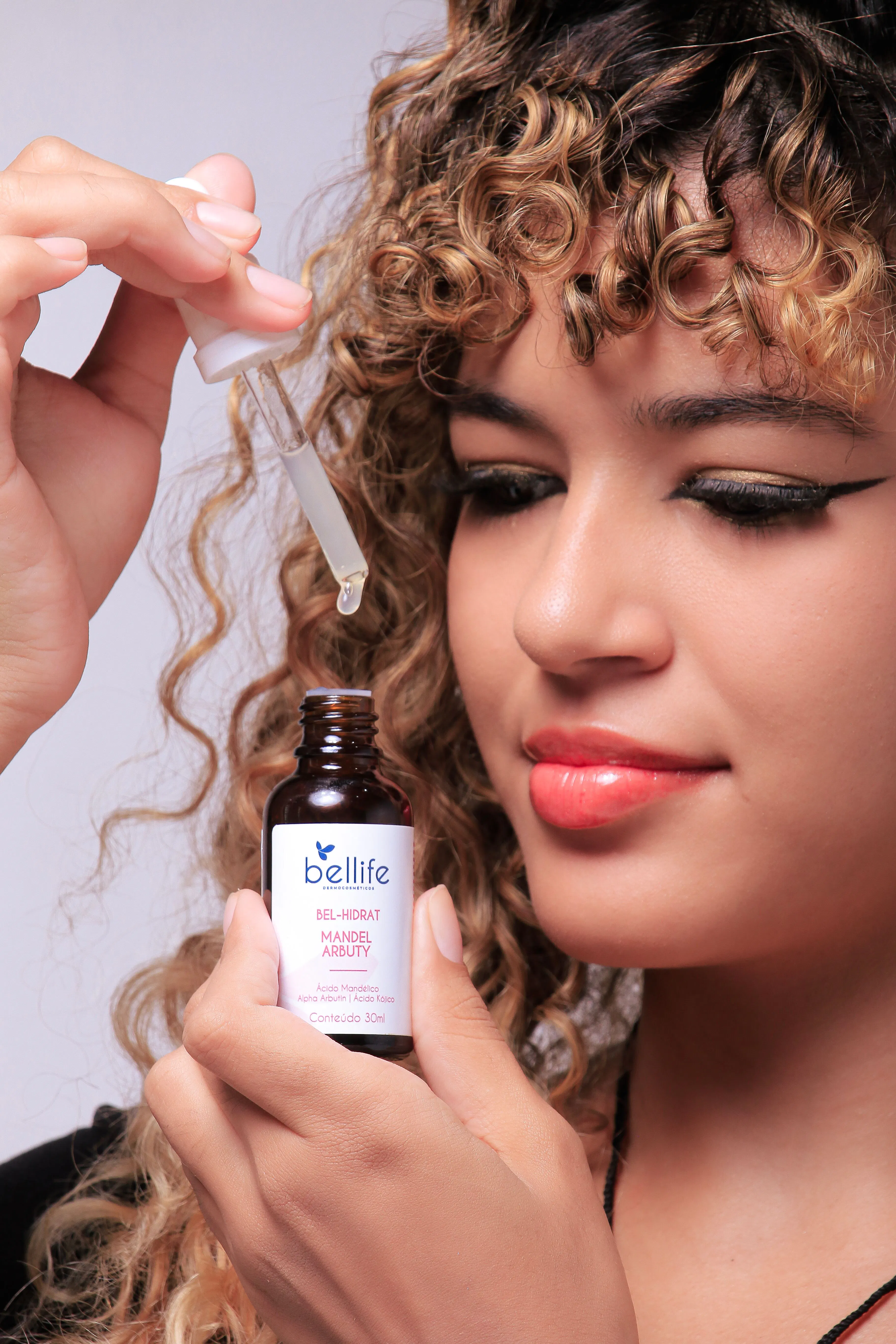
Beauty brands should ask creators to capture the actual application process.
A foundation video becomes more useful when the viewer sees a small amount applied, blended, and built up. A hair product should show where it is applied and how the hair looks while styling. Skincare UGC can show where a product fits within a normal routine.
This turns the creator video into both product proof and a mini tutorial.
It also gives brands more editing options. One application session could produce a full review, tutorial, short product demo, or several ad variations. A strong UGC creative brief should tell creators which application moments need to appear without scripting every second of the video.
Show Shade And Finish In Honest Lighting
Color accuracy matters more in beauty than in many other UGC categories.
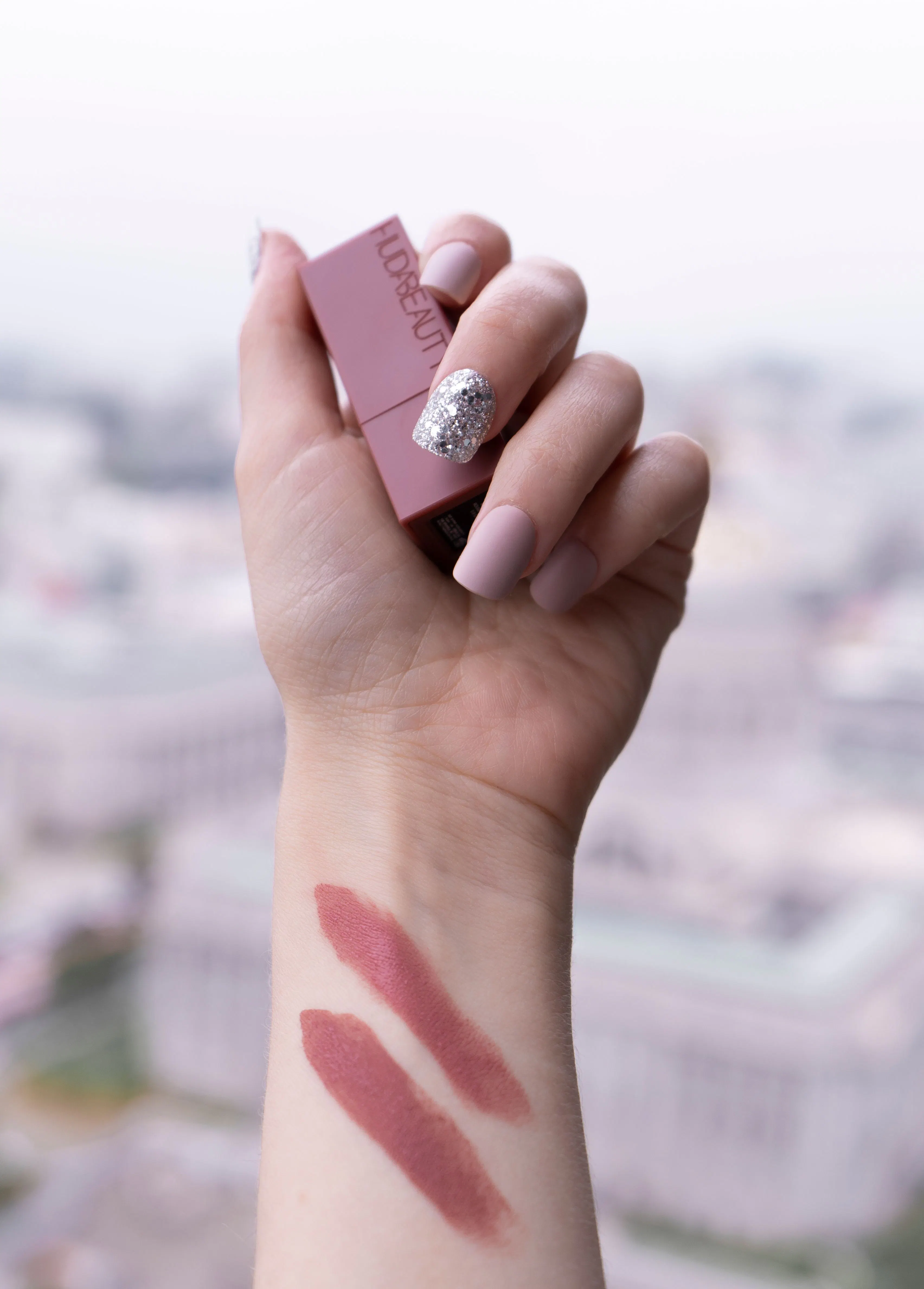
Creators reviewing lipstick, concealer, foundation, bronzer, eyeshadow, or hair color should capture the product in clear lighting that lets viewers understand the actual shade.
Whenever possible, brands can request multiple angles or a short natural-light clip alongside the main footage. Creators should also show the finished product close enough for viewers to see whether the result looks matte, glossy, dewy, sheer, full coverage, or textured.
For brands with large shade ranges, working with creators across different skin tones can also create more useful content for people searching for products that fit them.
Capture The Before, During, And After
Beauty content is naturally visual, which makes progression especially useful.
Instead of jumping straight to the finished look, creators can capture:
Before: what the skin, hair, or makeup looks like before application.
During: how the product applies, blends, absorbs, or styles.
After: the finished appearance from several angles.
For products where wear matters, an additional check-in later in the day can be even more useful.
Beauty brands should be careful about turning these videos into unsupported product claims. The FDA's guidance on cosmetic claims explains that cosmetic marketing must remain truthful and cannot make certain treatment or body-function claims unless the product meets applicable drug requirements.
Creators should receive approved talking points before filming.
Put The Product Into A Real Routine
Some of the strongest beauty creator content feels less like a standalone review and more like something pulled from the creator's normal day.
That could mean including the product inside a morning skincare routine, GRWM video, nighttime routine, travel makeup bag, hair styling routine, or everyday makeup look.
These formats give viewers context around when and why the product would actually be used. They can also support social search because people frequently search for specific routines, skin types, looks, problems, and product recommendations rather than searching only for a brand name.
Get Extra Product Shots While The Camera Is Out
Beauty brands should also ask creators for a few simple clips without dialogue.
Useful shots include opening the packaging, dispensing the product, swatching it, holding it near the camera, applying it from different angles, and showing the finished result.
Those extra five-to-ten-second clips can later become hooks, cutaways, landing-page assets, or new ad variations without requiring another shoot.
Beauty UGC should give people something they cannot get from a product photo. When creators show the product being opened, applied, worn, and evaluated in a real setting, viewers have far more information to decide whether it belongs in their routine.
FAQ
What Should A Beauty UGC Video Include?
Most beauty UGC should include the product, texture or shade, application, finished result, and the creator explaining their real experience. The exact shots should change depending on whether the product is skincare, makeup, haircare, or personal care.
Are Before-And-After Videos Good For Beauty UGC?
Yes, especially when the visual difference is relevant to the product. Brands should make sure the comparison is honest and that creators do not make claims the brand cannot support.
Do Beauty Creators Need To Disclose Free Or Paid Products?
Yes, when there is a material relationship with the brand. The FTC's influencer disclosure guidance says paid partnerships, gifted products, discounts, and other material connections should be disclosed in a way viewers can easily notice and understand.
