

Ryan Cooper
UGC Hook Examples: How Brands Can Create Better UGC Ads In The First 3 Seconds

The first three seconds of a UGC video usually decide whether someone keeps watching or scrolls past.
That does not mean every video needs fake urgency, loud captions, or an over-the-top claim. The best UGC hooks feel natural, but they still give viewers a reason to stay. For brands using creators for TikTok, Instagram Reels, YouTube Shorts, or paid social, the hook is not just a creative detail. It is one of the most important parts of the campaign.
Platforms already push brands in this direction. TikTok’s creative best practices recommend introducing the main idea early, while Meta’s video ad guidance encourages brands to make mobile-first videos that are easy to understand quickly. For UGC, that means the first three seconds should be part of the brief before the creator starts filming.
Why UGC Hooks Matter
UGC works because it feels closer to the content people already watch. As Hootsuite explains in its UGC guide, user-generated content can help brands build trust because it feels more authentic than traditional brand content.
But authenticity alone does not stop the scroll. A creator can be believable and on-brand, but if the opening feels slow, the video may never get a chance to perform. Short-form feeds move fast, and people decide quickly whether a video feels relevant.
A strong UGC hook should answer one question right away: why should this person keep watching?
The answer can come from a pain point, a relatable moment, a strong visual, a surprising claim, or a clear product result. The hook does not need to explain everything. It just needs to make the viewer care enough to stay.
UGC Hook Examples Brands Can Test
Brands should not rely on one hook style for every creator or campaign. Different products need different openings, and different audiences respond to different angles. The best hooks usually call out a specific problem, show a relatable moment, or create curiosity around the product result.
A problem hook works by starting with something the customer already struggles with. This is useful when the product solves a clear, everyday issue that the viewer can recognize quickly.
A before-and-after hook works by showing the change or result early. This can be especially strong for beauty, home, fitness, organization, and lifestyle products because the viewer sees the payoff before the explanation.
A mistake hook focuses on something the viewer may be doing wrong or overlooking. This gives the video a natural reason to keep watching because it promises a useful correction or better way to do something.
An honest review hook makes the creator feel more believable. Instead of sounding like a polished ad, it gives the video a more natural tone and helps the viewer feel like they are hearing from a real customer.
A specific situation hook works by calling out a real moment, routine, or use case. These hooks often feel stronger than broad openings because they make the viewer feel like the video was made for their exact problem.
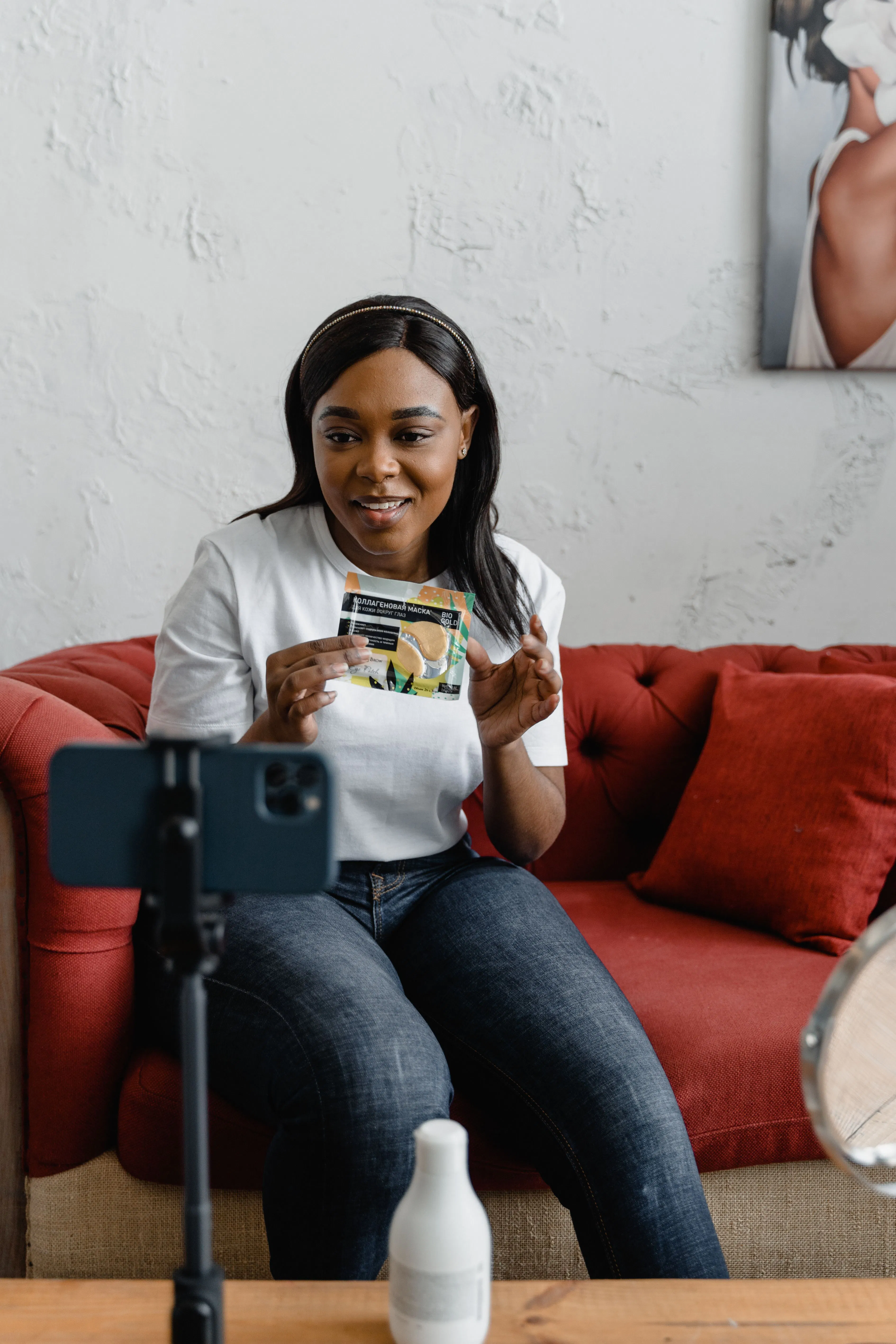
A visual hook does not need to start with a spoken line. A creator showing a messy bag, packed drawer, stained shirt, product result, or unexpected use case can grab attention before the voiceover starts.
Weak hooks are usually too broad or too sales-focused. Stronger hooks feel specific, natural, and tied to a real customer problem. For stronger UGC ads, brands should brief creators on the first shot, not just the first sentence.
How Brands Can Build Hook Testing Into A UGC Workflow
Winning UGC hooks usually do not come from guessing. They come from a better workflow.
Instead of asking a creator for one finished video, brands can ask for multiple opening options before filming: one pain point hook, one visual hook, one review-style hook, and one product demo hook.
This gives the brand more angles to test without making the creator sound scripted. The creator still has room to use their own voice, but the brand gets more control over the part of the video that matters most.
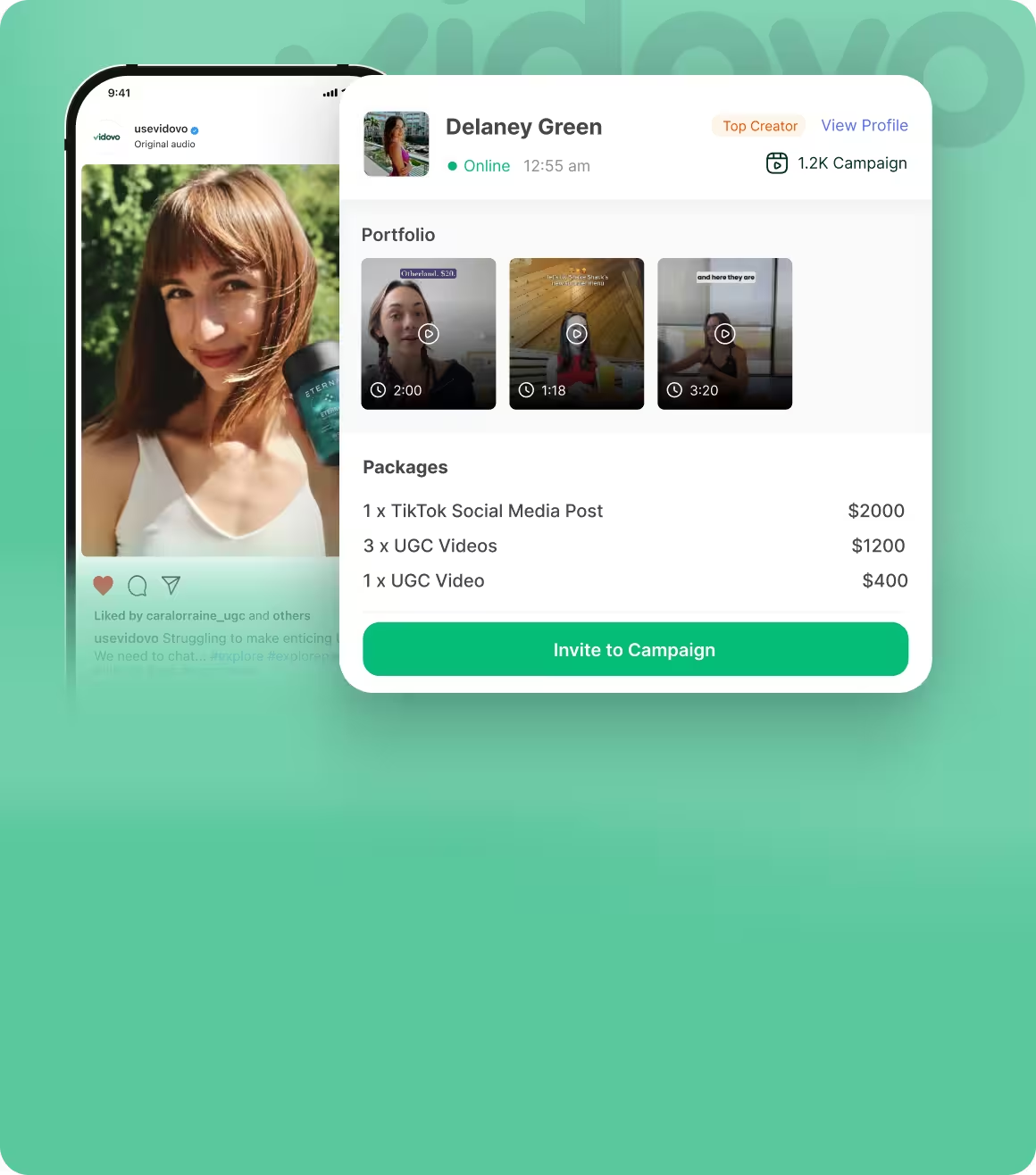
This is where creator selection becomes more important. A creator who understands how to open with a relatable problem, strong first frame, or clear product moment can be more useful than a creator who only delivers a polished video. For brands using a UGC creator platform or managing multiple creators at once, hook quality should be part of the review process.
Brands can look at each creator’s past videos and ask: do they get to the point quickly, feel natural in the first few seconds, show the product without forcing it, and create openings that feel specific instead of generic?
How To Find Better UGC Hook Ideas
The best UGC hook ideas often come from customers. Brands should review product reviews, TikTok comments, Reddit threads, support questions, competitor ads, and creator feedback. The language people already use can become the strongest opening line.
If customers keep saying “I wish I found this sooner,” that can become a hook. If people keep asking whether the product works for travel, sensitive skin, busy mornings, small apartments, or beginners, those questions can become hooks too.
Final Thoughts
The first three seconds of a UGC video should not be treated as an afterthought. They should be part of the creator brief, creator review process, and testing plan.
Strong UGC hooks do not make content feel less authentic. They help the right viewer understand why they should keep watching.
For brands, the goal is not to over-script creators. The goal is to give them sharper starting points, test different openings, and find the first three seconds that turn attention into performance.
