

Ryan Cooper
UGC Usage Rights Explained: Organic, Paid, Website, Email, And Retail

UGC usage rights can get confusing quickly.
A brand may hire a creator for one video, then realize the same asset could work across TikTok, Instagram, paid ads, product pages, email, and retail. The content already exists, the creator feels natural, and the product is shown in a real setting.
But creating UGC and using UGC are not always the same thing.
A creator may agree to make content for a brand, but that does not automatically mean the brand can use it forever or across every channel. Usage rights explain where content can appear, how long it can be used, whether it can be edited, and whether paid media can be added.
For brands working with UGC creators, clear usage terms make campaigns easier to manage as content moves from one-off posts into reusable marketing assets.
What Are UGC Usage Rights?
UGC usage rights are the permissions a creator gives a brand to use their content.
These permissions usually cover channels, usage length, editing rights, paid media rights, and whether the creator’s name, face, handle, or likeness can be used.
This matters because an organic Instagram Reel is different from that same video running as a paid ad, living on a product page, or appearing in a retail display.
A strong UGC creative brief can make these details easier to align on before content is created.
Organic Usage Rights
Organic usage usually means the brand can post the creator’s content on its owned social channels without ad spend behind it.
This may include TikTok, Instagram Reels, YouTube Shorts, Facebook, Pinterest, LinkedIn, or other brand-owned platforms. Organic usage is often the simplest form of UGC usage because the content is shared like a normal social post.
Even then, details can still matter. Some agreements may include permission to crop the video, add captions, adjust the hook, combine creator clips, or repost content across platforms.
Organic usage also does not remove disclosure responsibilities. If there is a paid relationship, gifted product, affiliate deal, or other material connection, disclosures may still apply. The FTC’s endorsement guidance explains how these relationships are treated in advertising.
Paid Usage Rights
Paid usage means the brand can run creator content as an ad.
This may include Meta ads, TikTok ads, YouTube ads, Pinterest ads, Amazon ads, or other paid placements. Paid rights usually carry more value than organic rights because the content can reach a larger audience once budget is added.
Paid usage terms often cover the usage window, platforms included, editing permissions, and whether the ad runs from the brand’s account or the creator’s handle.
Platform rules also matter. Meta has its own branded content policies, and TikTok offers a content disclosure setting for content that promotes a brand, product, or service.
For brands comparing paid formats, Vidovo’s guide to whitelisting, Spark Ads, and dark posts explains how creator content can be used in ads.
Website Usage Rights
Website usage means the brand can place creator content on its website.
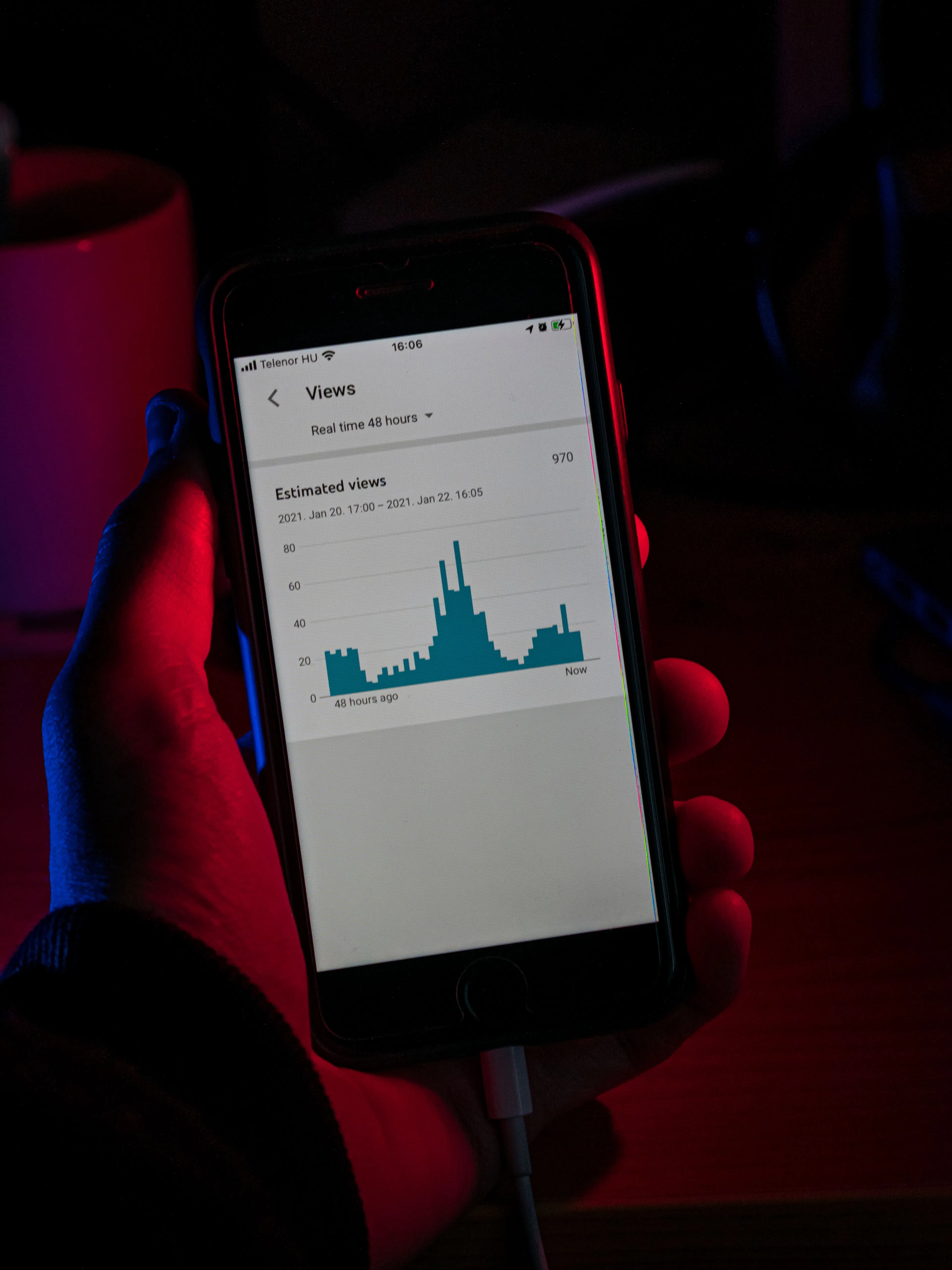
This could include a homepage, product page, landing page, review page, quiz funnel, blog post, or checkout page. For ecommerce brands, website usage can be valuable because UGC shows the product in a real setting instead of relying only on studio images.
Website content can also stay live longer than a social post. A TikTok may feel relevant for a few weeks, while a strong product demo on a product page may support conversions for months.
Since website usage is a separate channel, it is usually treated as its own permission category. Terms may cover whether content can be embedded, uploaded directly, turned into GIFs, or paired with product claims and reviews.
Email Usage Rights
Email usage means the brand can use UGC in email campaigns.
This may include welcome flows, abandoned cart emails, product launches, post-purchase education, newsletters, or seasonal promotions. UGC can make email feel less like a brand announcement and more like social proof.
A creator clip, product photo, testimonial-style image, or before-and-after visual can help answer shopper questions before purchase.
Since email is separate from social media, it often has its own usage permission. A creator may agree to social usage without realizing the same content could be sent to thousands of subscribers.
Retail Usage Rights
Retail usage means creator content can appear in physical or digital retail settings.
That could include in-store screens, product displays, retail media networks, wholesale decks, trade show booths, Amazon storefronts, or third-party product pages.
Retail usage can be more sensitive because the content moves beyond the brand’s owned channels. A creator’s face or voice may appear in front of shoppers, buyers, or retail partners.
These terms often define where content can appear, whether retail partners can use it, how long it can stay live, and whether it can be edited for retail formats.

Why Usage Rights Matter For Scaling UGC
Usage rights become more important as UGC moves from a single deliverable into a larger content system.
A brand may start with one creator video for organic social, then test it in paid ads, add it to a product page, place it in an email flow, or reuse it for retail. Without clear permissions, that asset may be harder to repurpose.
This is where Vidovo’s value connects directly to the problem. As brands work with more creators, briefs, deliverables, and usage windows, they need a cleaner way to manage what has been approved and where each asset can be used.
Platforms like Vidovo help support that process by keeping creator collaboration, content collection, and campaign organization in one place.
Final Thoughts
UGC usage rights shape how much value a brand can get from each creator asset.
Organic rights may cover simple social posting. Paid rights matter when content becomes an ad. Website and email rights help turn UGC into conversion support. Retail rights matter when content appears in stores, marketplaces, or partner materials.
When usage is clear early, UGC becomes easier to test, reuse, and scale across organic, paid, website, email, and retail.
