


Product seeding and paid UGC both help brands create more creator-led content, but they serve different purposes. Product seeding is better for early social proof, organic reactions, and learning how creators naturally talk about a product. Paid UGC is better when a brand needs specific videos, usage rights, deadlines, and content that can be tested in ads or used across marketing channels.
For most brands, product seeding works best when the product is easy to understand and likely to create natural reactions. Paid UGC is usually better when the brand already has a campaign goal and needs usable content quickly.
Answer-First: Which Should Brands Use First?
Brands should usually start with product seeding if they are still learning what creators and customers respond to. It can help surface unboxings, reviews, reactions, and product angles before the brand spends more on structured creator content.
Brands should start with paid UGC if they already know the product’s main selling points and need content for TikTok, Instagram Reels, paid ads, product pages, or email. Paid UGC gives the brand more control over the brief, timeline, deliverables, and usage rights.
Product seeding is better for discovery. Paid UGC is better for execution.
What Is Product Seeding?
Product seeding is when a brand sends free products to creators in hopes that they try it and create content around it. The creator may post an unboxing, review, tutorial, or reaction, but the brand usually has less control over what gets made.
This can work well for beauty, food, wellness, apparel, home, and other categories where the product experience is easy to show on camera. It can also help brands spot creators who feel natural with the product before moving into paid partnerships.
The downside is predictability. A creator may not post. The content may not match the brand’s messaging. A post may also perform well organically but not be usable in ads unless the brand has the right permissions. That is where UGC usage rights matter.
What Is Paid UGC?
Paid UGC is when a brand pays a creator to produce specific content. Unlike influencer marketing, paid UGC does not always depend on the creator posting to their own audience. The brand is usually paying for the asset itself.
That content might include a product demo, testimonial-style video, unboxing, comparison, routine video, or short-form ad. The brand can use that content across organic social, paid social, landing pages, email, or product pages, depending on the agreed usage terms.
Paid UGC works best when the brand has a clear goal. A strong UGC creative brief can help creators understand the product, audience, talking points, format, and content boundaries without making the video feel scripted.

When Product Seeding Makes More Sense
Product seeding makes sense when the brand wants natural discovery before building a larger paid content plan.
It can be useful when launching a new product, testing a new niche, or learning how creators describe the product in their own words. Sometimes the strongest angles come from creator language the brand would not have written itself.
Product seeding also works well when the product experience is highly visual. Packaging, texture, taste, results, and transformations can all give creators more to work with.
The tradeoff is control. Product seeding can create strong organic content, but it is harder to rely on when the brand needs a certain number of videos by a certain date.
When Paid UGC Makes More Sense
Paid UGC makes more sense when the brand needs content it can actually use.
If a brand is testing paid ads, updating product pages, building email creative, or creating a steady content pipeline, paid UGC is usually more reliable. The brand can define deliverables, set deadlines, request formats, and agree on how the content can be used.
Paid UGC is also helpful when a brand wants to test multiple hooks or angles. One creator might film a product demo, another might film a problem-solution video, and another might film a review-style piece. That gives the brand more creativity to compare in a structured UGC ad testing process.
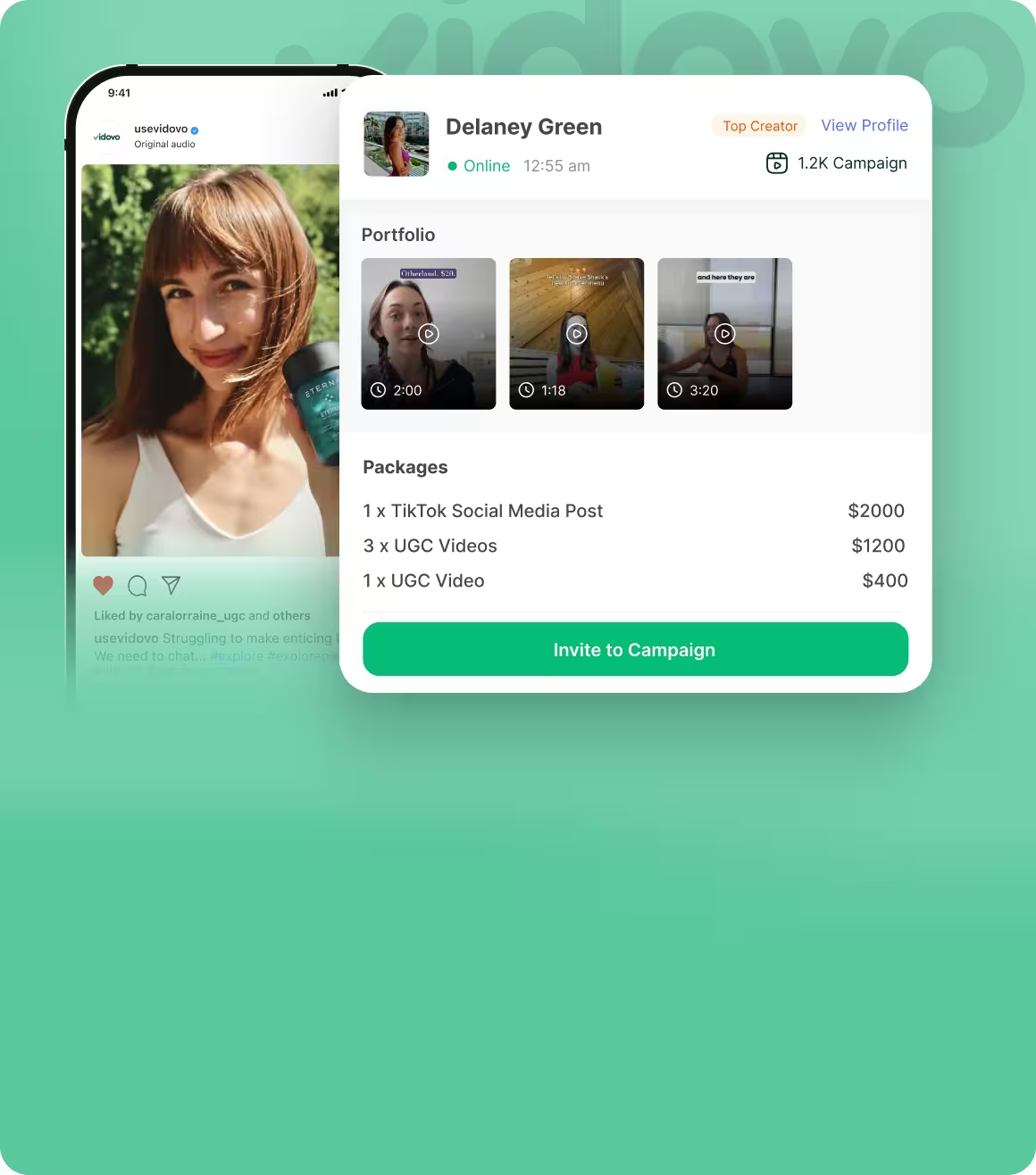
For brands that want a more organized way to find creators and manage deliverables, a UGC creator platform can make the process easier.

The Best Starting Point For Most Brands
The best choice depends on the brand’s stage.
A brand with low awareness but a highly shareable product may benefit from product seeding first. This gives the team early creator feedback, organic content, and useful signals before investing in paid deliverables.
A brand with an active ad account, clear messaging, or a campaign deadline may benefit from paid UGC first. This gives the team content built for a specific purpose from the start.
Some brands use both together. Product seeding helps identify creators who genuinely like the product. Paid UGC then turns the strongest creator relationships into repeatable content.

Final Thoughts
Product seeding is best for learning, reach, and organic discovery. Paid UGC is best for control, speed, and reusable creative.
If the goal is to learn how creators naturally react to the product, product seeding is a smart starting point. If the goal is to produce content for ads, landing pages, or sales-focused campaigns, paid UGC is usually the better move.
Both can work, but they should not be treated the same. Product seeding helps brands find useful signals. Paid UGC helps brands turn those signals into content they can test, reuse, and scale.
FAQ
Is Product Seeding The Same As Paid UGC?
No. Product seeding usually means sending free product to creators with less control over whether they post or what they create. Paid UGC means paying creators for specific content deliverables.
Can Brands Use Product Seeding Content In Ads?
Only if the brand has the proper rights. A creator posting about a gifted product does not automatically give the brand permission to use that content in paid ads. Clear UGC usage rights help avoid confusion.
Is Paid UGC Better For Testing Ads?
Usually, yes. Paid UGC gives brands more control over the hook, format, creator style, product message, and delivery timeline.
Should Small Brands Start With Product Seeding?
Small brands may benefit from product seeding if they have a strong product and want early social proof. If they need content quickly for ads or product pages, paid UGC may be the cleaner option.
Where Can Brands Find UGC Creators?
Brands can search for creators through a UGC creator marketplace, managed creator campaigns, or direct creator relationships.
