

Ryan Cooper
UGC Vs Product Photography: When Brands Need Real People Instead Of Polished Assets

Brands don’t need to choose between UGC and professional product photography. They need to know what job each type of content is supposed to do.
Polished photography is still valuable when shoppers need a clean, accurate view of a product. UGC becomes more useful when people need to see how that product looks, works, feels, or fits into real life. For most ecommerce brands, the strongest content strategy uses both.
Product Photography Is Still Important
Traditional product photography works especially well near the bottom of the buying process.
A shopper looking at a product page may want to inspect the color, shape, material, packaging, or smaller details before buying. Shopify's updated product photography guide continues to emphasize lighting, accuracy, consistency, and clear product presentation as important parts of ecommerce photography.
Professional photography makes sense for:
Product pages and catalogs, marketplace listings, website banners, packaging, email graphics, and other places where visual consistency matters.
The problem starts when brands expect those same images to carry every part of their marketing.
A perfectly lit product sitting against a white background can show shoppers exactly what they are buying. It cannot always show them why they should care about it.
UGC Shows The Product In Context
UGC gives brands something studio photography often struggles to create: a believable use case.
Instead of seeing skincare lined up on a counter, someone can watch a creator apply it. Instead of seeing a jacket photographed on a model, they can see someone wearing it on an ordinary day. Instead of looking at a kitchen product from several angles, they can watch someone actually cook with it.
That difference matters more on platforms built around people rather than products.
TikTok's current creative resources encourage brands to work with creators and produce content that fits naturally into the platform. Its 2025 research on the creator advantage also points to creator-led content as a way to improve engagement and click-through performance. TikTok has continued moving further in that direction through TikTok One, which allows brands to discover creator content and turn relevant posts into Spark Ads.
The lesson for brands is not that lower-production content automatically performs better. The advantage comes from putting the product inside a situation the customer recognizes.

When Brands Need Real People
UGC becomes especially useful when the buyer has questions that a standard product image cannot answer.
When the product needs a demonstration.
Beauty products, kitchen tools, apps, fitness products, clothing, electronics, and similar products often become easier to understand once someone actually uses them.
When customers need proof.
A polished image tells customers what the product looks like. A creator testimonial, review, unboxing, or before-and-after video can show what the experience is actually like.
When brands need more ad creative.
Paid social campaigns constantly need new hooks, creators, scripts, demonstrations, and angles. Brands can use the same product across multiple creator concepts instead of depending on one expensive shoot. This also makes it easier to test different UGC ads while keeping the product and offer consistent.
When the content needs to feel native to social media.
People open TikTok, Instagram, and YouTube to watch people. Creator content can introduce a product without immediately looking like a traditional commercial.
The Strongest Brands Use Both
The better question is not UGC or product photography?
It is, where does each asset belong?
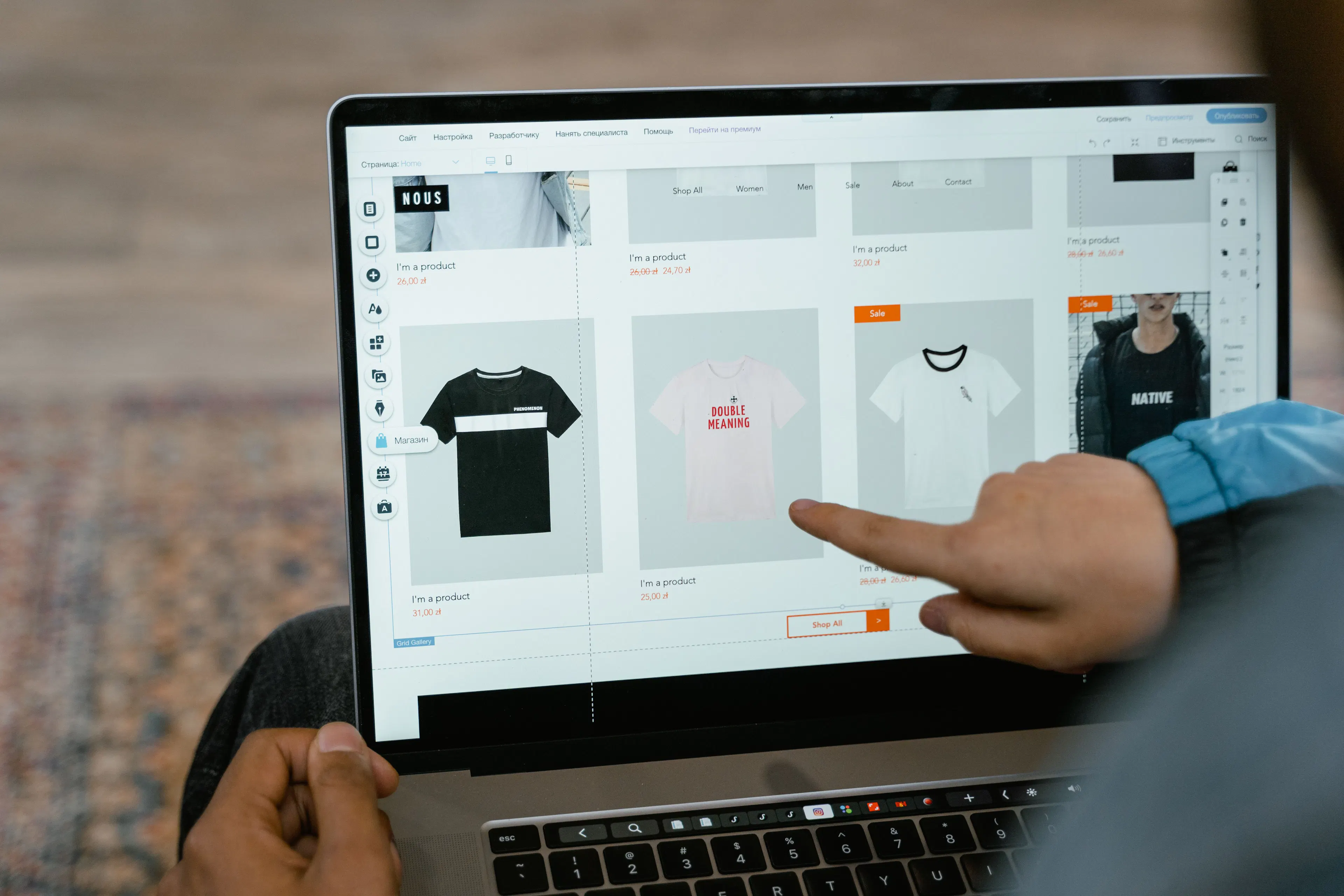
A product page might begin with polished images that clearly show what is being sold, then include creator videos showing the product in use. An ad campaign might use UGC to earn attention, then send customers to a landing page supported by cleaner brand photography.
Brands can also reuse creator content beyond social media. As discussed in Vidovo's guide to UGC and social search, creator videos can support product pages, landing pages, and other searchable content when they provide useful firsthand demonstrations.
Professional photography gives the product clarity. UGC gives it a person, situation, and story.
Brands that understand the difference can stop asking one type of creative to do everything and start building an asset library that supports the entire buying process.
Frequently Asked Questions
Is UGC Better Than Product Photography?
Not always. UGC is usually better for demonstrations, testimonials, social ads, and relatable product experiences. Product photography is better when customers need a clean and accurate view of the product.
Should UGC Be Added To Product Pages?
Yes, when it helps shoppers understand the product. Creator demonstrations, reviews, sizing examples, tutorials, and real-world use cases can complement traditional product images.
Can Brands Use Both UGC And Professional Photography In Ads?
Yes. Brands can test creator-led videos alongside polished photos, graphics, and brand videos to see which creative works best for different audiences, placements, and stages of the buying process.
