

Ryan Cooper
UGC And Social Search: How Creator Content Helps Brands Get Found

Creator content helps brands appear in social search by answering the exact questions people ask about products. Reviews, tutorials, comparisons, demonstrations, and problem-solution videos give platforms clear signals about what the content covers.
When those signals appear naturally in the dialogue, on-screen text, captions, and comments, the content has more opportunities to surface across TikTok, Instagram, YouTube, and Google.
UGC is no longer only an engagement or advertising asset. It can also help potential customers discover products while researching what to buy.
Social Platforms Are Becoming Search Engines
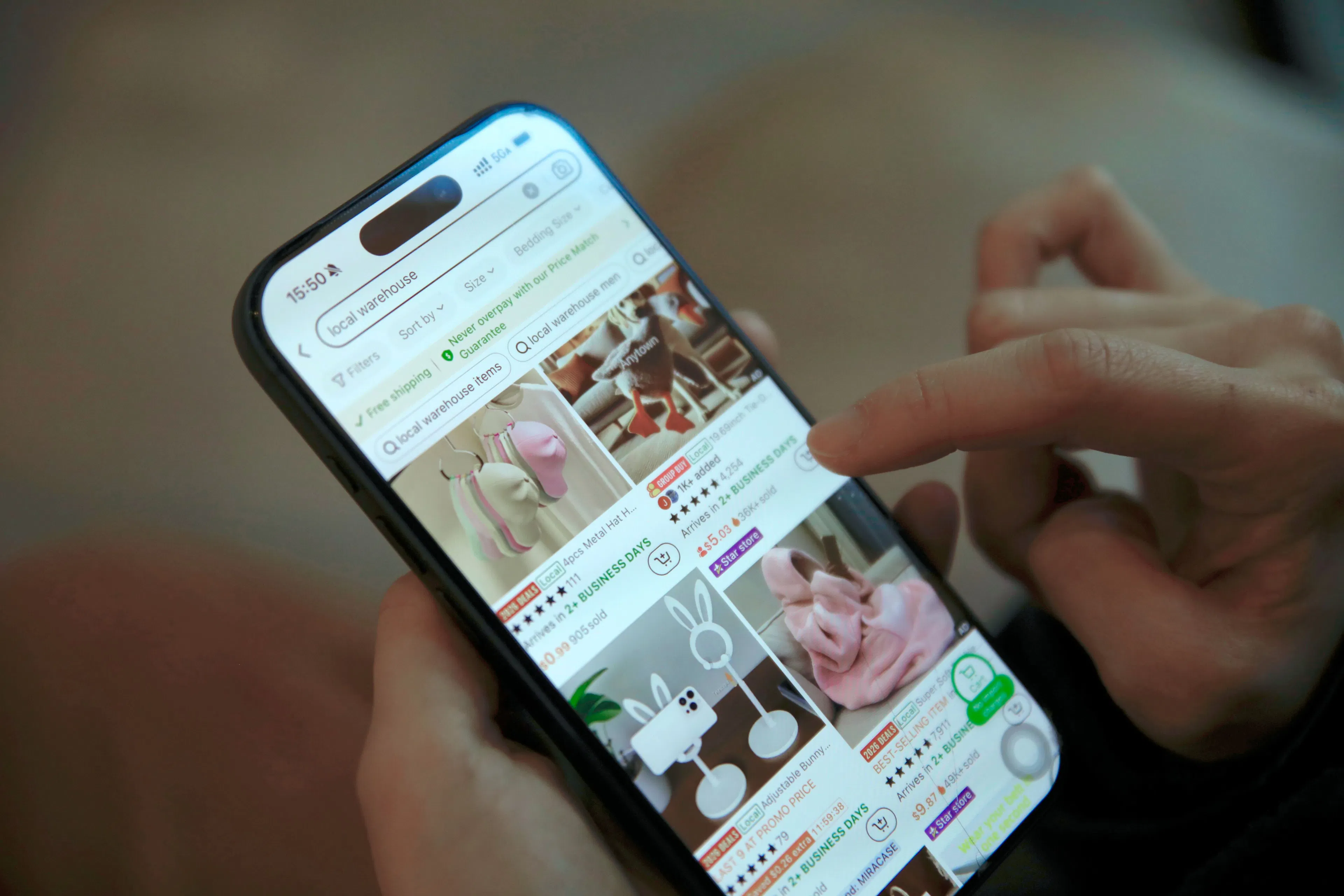
Product discovery does not always begin with Google. Someone looking for skincare might search “best moisturizer for dry skin” on TikTok. A pet owner may search “dog toy for aggressive chewers” on Instagram, while another shopper uses YouTube to compare products.
TikTok reports that billions of searches happen on its platform each day, with search activity growing more than 40% year over year. The platform also says one in four users begins searching within 30 seconds of opening the app. (TikTok Newsroom)
Instagram also allows users to search by keywords to find topics, creators, accounts, and related content.
These searches often carry stronger intent than passive scrolling. The user is actively looking for an answer, recommendation, product, or example.
Creator Content Matches How Customers Search
Traditional brand content often uses polished marketing language. Customers usually search with more natural questions:
- Is this foundation good for oily skin?
- Does this supplement taste bad?
- What size should I order?
- Will this pet bed fit a large dog?
- Is this workout equipment easy to store?
Creators regularly use similar language when describing their experiences. A video titled “Trying this foundation on oily skin” closely matches what a potential customer might enter into a search bar.
Brands can find these phrases in product reviews, customer support questions, comments, Reddit discussions, and competitor content. This is similar to developing stronger UGC hooks, since both depend on understanding the language customers already use.
UGC Creates More Searchable Entry Points
A single brand account can only cover so many topics. Working with multiple creators gives a brand more opportunities to address different questions, audiences, product uses, and search terms.
A beauty product, for example, could appear in videos covering:
- A first-impression review
- A wear test
- A tutorial
- A product comparison
- A routine for a certain skin type
- An answer to a common concern
Each video gives customers another way to discover the product. This is more useful than repeatedly publishing similar promotional content because every video serves a different search intent.
A focused UGC creator search process can also help brands find creators whose styles match the questions customers are asking.

Searchable UGC Still Needs To Feel Natural
Adding keywords to a caption is not enough. The video must still provide a useful answer.
Searchable creator content often includes the topic in several natural places:
- The creator says the product name or problem aloud.
- The opening text explains what the video covers.
- The caption describes the use case.
- The creator demonstrates the product.
- Comments and replies provide additional information.
TikTok’s Creator Search Insights tool shows creators what people are searching for, including topics with high demand but limited existing content.
The goal is not to repeat the same phrase throughout the post. Clear wording helps platforms understand the subject, while the creator’s explanation gives viewers a reason to keep watching.
Creator Content Can Appear Beyond Social Platforms
Social content can also support visibility outside the platform where it was originally posted.
Google can show accessible video content in standard search results, video results, Google Images, and Discover. (Google Search Central)
Brands can extend the reach of creator content by embedding videos on product pages, landing pages, and blog posts. A creator review can then support a social search result, strengthen a product page, and give shoppers a visual explanation of the product.
This also allows one piece of UGC to support several parts of the customer journey rather than disappearing after a short social campaign.
Building UGC Around Search Intent
Search-focused creator campaigns usually begin with customer questions rather than broad content requests.
Instead of asking for a general product review, a brand could build creator briefs around searches such as:
- Best travel bag for a weekend trip
- How to use a heatless curling set
- Protein powder that mixes without a blender
- Comfortable office shoes for standing all day
- Pet hair remover for fabric furniture
Creators can still use their own voice and storytelling style. The search phrase simply gives the video a clear topic and purpose.
Publishing groups of related videos can also cover different stages of product research. One video may introduce the problem, another can demonstrate the product, and a third can address concerns that appear before purchase.

Frequently Asked Questions
Does UGC Help With SEO?
UGC can support SEO when creator videos are added to relevant product pages, landing pages, and blog posts. Descriptive titles, written context, accessible thumbnails, and firsthand product demonstrations can help search engines understand the page while giving shoppers more useful information.
What Types Of UGC Work Best For Social Search?
Tutorials, product reviews, comparisons, demonstrations, routines, and problem-solution videos work well because they match the way people search. Content built around specific questions or use cases is more likely to reach customers actively researching a product.
Do Creators Need Large Followings To Appear In Search?
No. Search visibility depends more on relevance, clarity, viewer response, and how closely the content matches the search. A smaller creator can still help a brand get found by clearly answering a specific customer question.
Final Thoughts
Social search gives creator content a longer purpose than a single campaign or paid ad. A useful video can continue reaching people whenever they search for the problem, product, or use case it covers.
Brands that connect UGC briefs to real customer questions can create content that feels natural while increasing how often their products are discovered. As social platforms and traditional search become more connected, creator content can help brands appear with the firsthand explanations customers are already looking for.
