
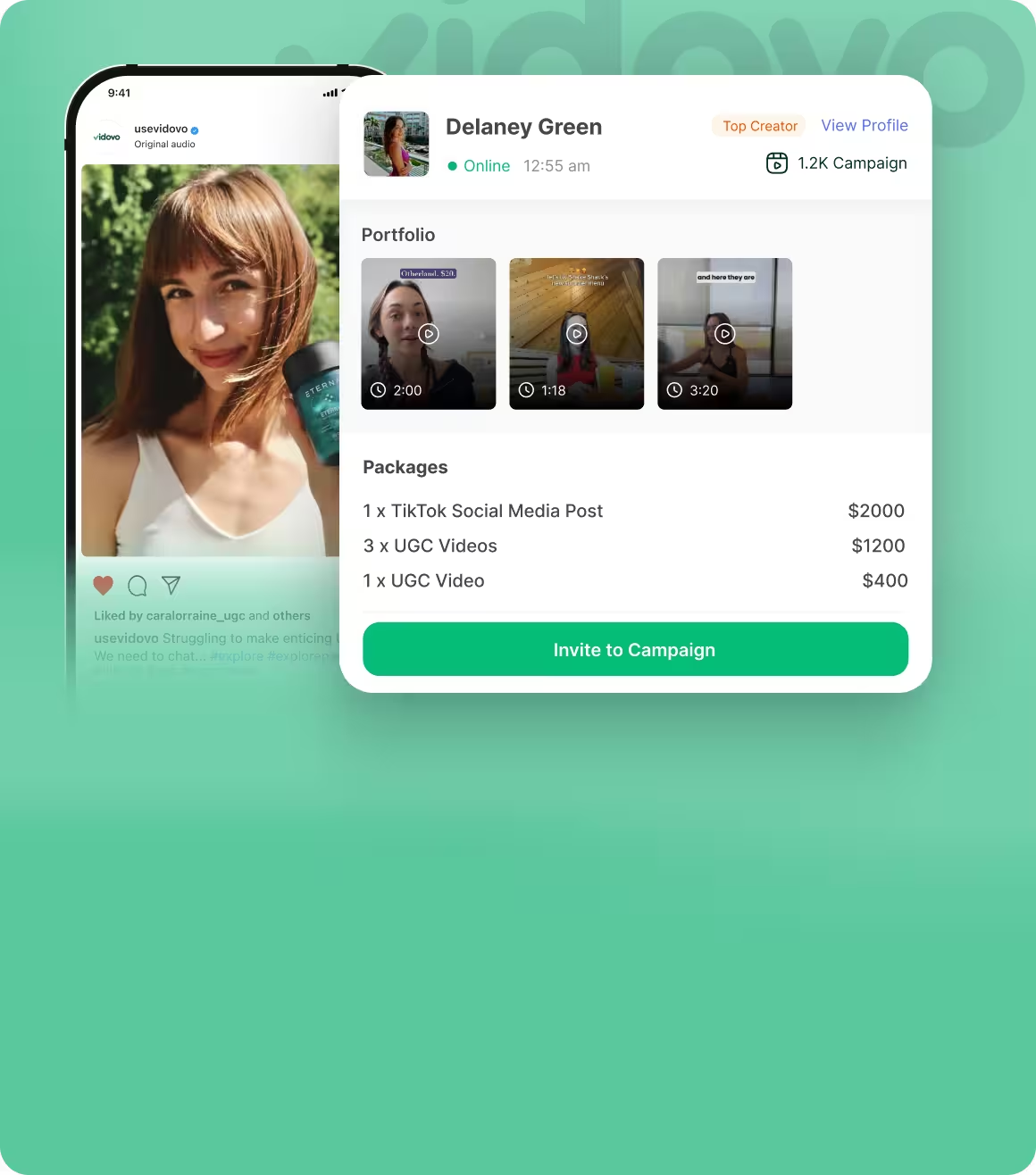


Creator onboarding is where a UGC campaign gets organized before filming starts.
Creators should know what they are making, who it is for, when it is due, how they are getting paid, and where the brand plans to use the content. Getting those details clear upfront cuts down on missed shots, confusing feedback, and changes that could have been handled before production.
Here is what brands should cover before a creator starts filming.
Start With The Campaign Goal
Give the creator a clear reason for the content.
A video meant for a paid ad may need a stronger hook, product demo, and CTA. Content made for organic social can usually leave more room for the creator's normal style.
Creators don't need the brand's entire marketing plan. They need to know the audience, offer, platform, and what the viewer should do after watching.
Before moving on, confirm:
- Campaign goal
- Target audience
- Main platform
- Product or offer
- Where the content will be used
Send A Brief That Is Easy To Follow
The brief should help the creator film, not give them a long document to sort through.
A useful UGC creative brief should cover the concept, required talking points, format, video length, CTA, deadline, and any claims that are off-limits.
Keep the must-haves obvious, then leave room for the creator to make the delivery feel natural. A good video brief should also settle the objective, audience, deliverables, and production details before filming begins.

Lock In Deliverables, Deadlines, And Payment
"Make us a UGC video" leaves too much open to interpretation.
Spell out exactly what the creator owes. That could mean one edited video, three hook variations, raw footage, product photos, or several versions of the same concept.
Put those details in the UGC creator contract along with the deadline, rate, payment timing, and revision limit.
- Deliverables confirmed
- Final deadline set
- Creator rate agreed upon
- Payment timing confirmed
- Revision limit established
Confirm Usage Rights Early
Do not wait until the video is finished to decide where you want to use it.
UGC usage rights can vary depending on whether the content will appear on organic social, paid ads, websites, email, retail pages, or other placements.
The agreement should also cover how long the brand can use the content and whether the original asset can be edited or resized.
If you plan to reuse the same video in several places, settle that during onboarding. This UGC content rights guide also breaks down the difference between organic and paid use, which can help when deciding what permissions need to be included.
Handle Disclosures And Ad Permissions
If a creator was paid, gifted a product, or has another material relationship with the brand, make the disclosure expectations clear before anything is posted.
The FTC's endorsement guidance says material connections should be disclosed when the relationship may not be obvious to the audience.
Ad permissions should also be handled early. Meta, for example, allows creators to give advertisers permission to promote individual posts, Stories, or Reels as partnership ads.
Make sure onboarding covers:
- Disclosure expectations
- Paid or gifted relationship
- Creator ad permissions
- Platform-specific requirements
Build Shipping Into The Schedule
Confirm the creator's address, exact product, size or color when relevant, and tracking information.
Give creators enough time to receive and actually use the product before the filming deadline. If you want an unboxing or first-reaction clip, mention that before the package arrives. Once the product has already been opened, that footage cannot be recreated naturally.

Make Feedback Simple
Creators should know where to upload their draft and who will review it.
A clear UGC approval workflow keeps feedback in one place instead of sending creators several different opinions from the brand team.
Set the submission date, review window, revision limit, and final approval date ahead of time. When possible, have one person collect the team's feedback before sending it back to the creator.
Final Creator Onboarding Checklist

Before filming starts, confirm:
- Campaign goal and audience
- Creative brief
- Deliverables and deadline
- Contract
- Rate and payment timing
- Usage rights
- Disclosure requirements
- Product shipping
- Ad permissions if needed
- Submission instructions
- Revision limits
- Final approval process
Creator onboarding does not need to become a long meeting. It should simply answer the questions a creator would otherwise have to ask throughout the campaign.
When those details are handled early, creators can focus on making the content and brands spend less time fixing avoidable problems after filming starts.
Frequently Asked Questions
What Should Be Included In UGC Creator Onboarding?
Creator onboarding should cover the campaign goal, audience, creative brief, deliverables, deadline, payment, usage rights, disclosures, shipping, submission instructions, and revision process.
When Should A UGC Creator Sign A Contract?
The contract should be signed before filming begins and ideally before the product is shipped. This gives both sides a written record of the deliverables, payment terms, deadlines, and content rights.
How Detailed Should A UGC Creative Brief Be?
Include everything the creator needs to get the content right, but avoid controlling every line. Give creators clear requirements while leaving enough room for the final video to sound like them.
